Inside T9
Women's Swimwear Built for Real Bodies & Movement
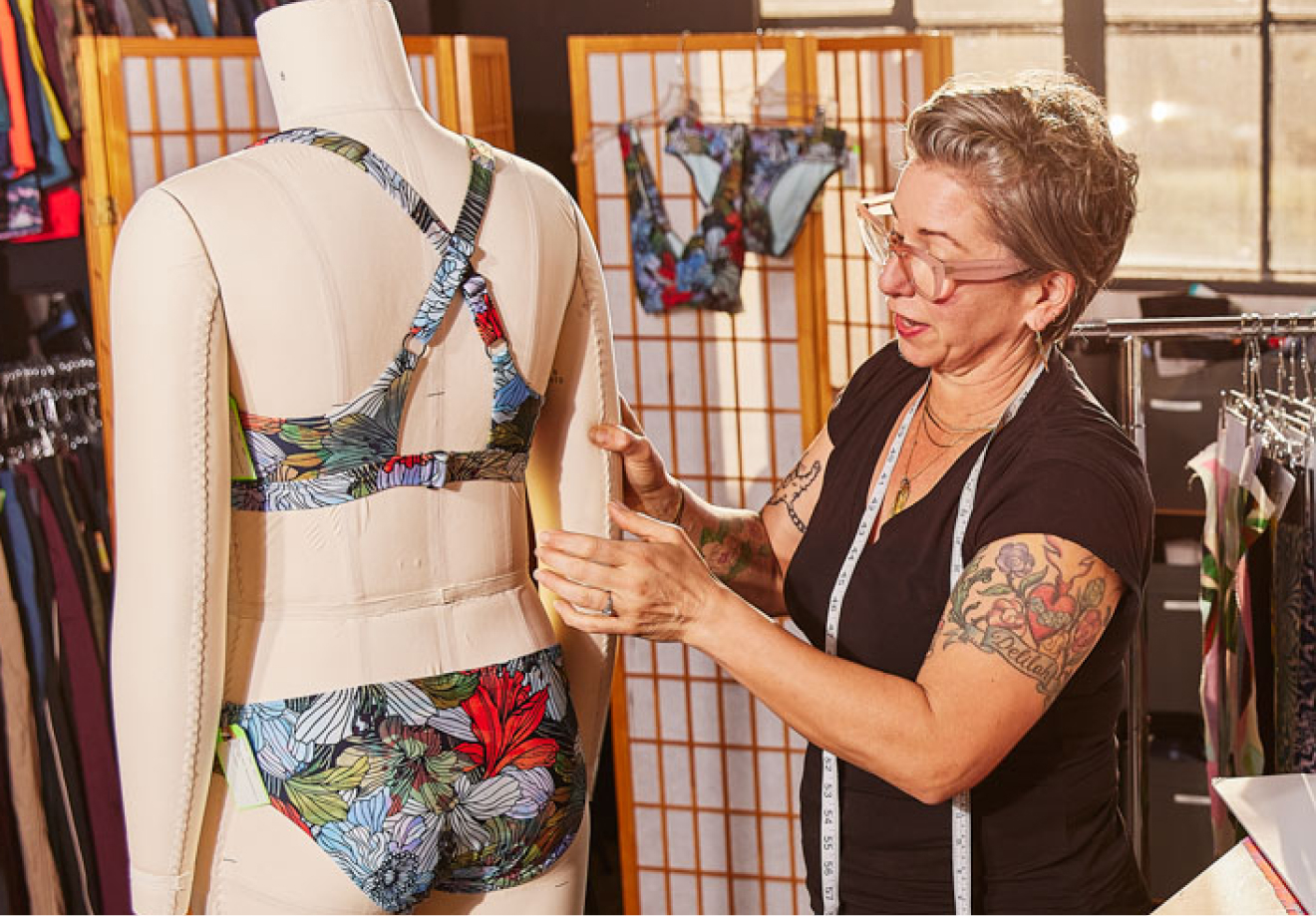
Discover women-designed swimwear built for active women. Better fit, stay-put support, quick-dry performance, and real-world wear testing.

When the mountain is calling, the last thing we need is our gear talking back. We have all been there—halfway up a brutal incline, sweating buckets, only to realize our pants are sagging, our thighs are chafing, and our phone just slid out of a laughably shallow pocket and into a ravine. We don't have time for gear that requires constant adjusting, tugging, or worrying. We need performance apparel that gets out of our way so we can get after it.
The days of shrinking and pinking men’s outdoor apparel are long gone. We demand more from our gear because we demand more from ourselves. Whether we are leading a multi-day trek, racing the sunset on a post-work trail run, or crashing through convention on an off-trail bushwhack, we need pants that fit our strength and keep up with our hustle.
If you are wondering exactly what to look for in women's hiking pants, you have come to the right place. We are wear-testers, trail-runners, and unapologetic gear nerds. We have ripped, stained, stretched, and soaked countless pairs of pants to figure out what actually works. This comprehensive guide breaks down the absolute non-negotiables of trail-ready gear—from pocket architecture and fabric engineering to weather protection and mobility mechanics.
By the time you finish reading, you will know precisely how to evaluate your next pair of hiking pants so you never have to settle for less than total functional power on the trail.
Let us start with the single most infuriating issue in women’s activewear: fake pockets, shallow pockets, and pockets clearly designed by someone who has never carried anything heavier than a breath mint. Gear-carry frustration on the trail is a real pain point. When we are miles from the trailhead, we cannot afford to lose our essentials. A dropped phone, a lost trail map, or missing car keys can turn a great adventure into a miserable ordeal.
When evaluating what to look for in hiking pants, pocket architecture must be your first line of defense. The anti-loss arsenal requires strategic placement, secure closures, and appropriate depth.
The thigh pocket is the undisputed heavyweight champion of trail storage. Unlike front hip pockets, which bend and bind when we lift our knees, the thigh remains relatively flat during movement. We look for a deep, zippered thigh pocket placed on the outer edge of the leg. This is the optimal location for a smartphone. When we need to check our GPS coordinates or snap a photo of a ridgeline, our phone is instantly accessible. It does not jab us in the hip flexor when we squat, and the zipper ensures zero escape.
A truly versatile pair of hiking pants offers a mix of secure and quick-access storage.
Here is an insider secret: pay attention to the interior material of the pockets. We heavily favor mesh-lined pocket bags. Solid fabric pockets add unnecessary layers of insulation precisely where we generate the most heat (the hips and upper thighs). Mesh pockets pull double duty—they hold our gear securely, but when we leave them unzipped, they act as impromptu ventilation vents, dumping excess heat during high-output hill climbs.
Back pockets on hiking pants are highly debated. When we are wearing a heavy backpacking pack, the hip belt often sits directly over the rear pockets, rendering them useless and potentially causing pressure points. For casual hikes or day hikes with a small hydration pack, rear pockets are fine. But for serious, multi-day trekking, we prioritize side and thigh storage over rear pockets to avoid any friction under heavy loads.
If pockets are the architecture of a pants, the fabric is the foundation. Choosing the right material dictates whether we conquer the trail with sporty ease or suffer through a sweaty, chafing nightmare. So, what is the best material for hiking pants? The answer lies in synthetic blends engineered for athletic performance.
Nylon is the reigning monarch of outdoor fabrics. It is exceptionally durable, highly abrasion-resistant, and incredibly strong for its weight. When we are sliding down granite slabs or pushing through aggressive scrub oak, nylon holds its ground. It is also inherently water-resistant and wind-resistant. Most premium hiking pants utilize a high percentage of nylon in their weave.
Polyester is softer than nylon and excels at moisture management. It is hydrophobic by nature, meaning it repels water and dries incredibly fast. When we are sweating heavily on a steep ascent, moisture-wicking polyester pulls that sweat away from our skin and disperses it across the surface of the fabric to evaporate. While not quite as bombproof as nylon against sharp rocks, high-density polyester weaves offer fantastic comfort and next-to-skin softness.
We cannot talk about functional gear without talking about stretchy fabric. Whether you see it listed as spandex, elastane, or Lycra, this is the magic ingredient that gives our pants the ability to move when, how, and where we want to move.
When evaluating stretch, look for the percentage. A blend with 2% to 5% spandex provides comfortable "give" for walking and light scrambling. But for intense ascents, rock climbing, or climbing over fallen logs, we look for blends containing 8% to 15% spandex.
This is a critical question, and the answer is simple: Cotton. The old backcountry adage "cotton kills" exists for a reason. Cotton is highly hydrophilic—it absorbs up to 27 times its weight in water. Worse, once cotton gets wet (whether from rain, river crossings, or our own sweat), it loses all insulating properties and takes an eternity to dry.
Wearing heavy denim or standard cotton sweatpants on a serious hike is a recipe for severe chafing at best, and hypothermia at worst if the temperature drops. Leave the cotton for relaxing on the couch; when we hit the trail, we rely strictly on quick-drying synthetics. (The only exception is highly engineered, specialized canvas blends treated heavily for water resistance, but for 99% of active hiking, synthetic is the way to go).
Not all synthetic fabrics are created equal. The density of the weave matters immensely.
An optimistic weather forecast is a beautiful thing, but we never trust it completely. Mountain weather is notoriously volatile. We need gear that acts as a shield against sun, wind, and sudden downpours. Weather protection is a non-negotiable factor in what to look for in hiking pants.
DWR stands for Durable Water Repellent. It is a chemical treatment applied to the exterior of the fabric during the manufacturing process. A high-quality DWR finish forces water to bead up and roll off the fabric rather than soaking into the fibers.
When we are caught in a light drizzle or have to walk through dew-soaked tall grass in the early morning, a DWR-treated pants keeps our legs completely dry. It is important to note that DWR does not make a garment completely waterproof—in a torrential downpour, water will eventually push through. However, it provides vital time and weather resistance, keeping us comfortable in unpredictable conditions. Furthermore, DWR treatments help repel dirt and mud, keeping our gear functional and somewhat clean during multi-day trips.
We slather sunscreen on our faces and arms, but we often forget that standard clothing does not always block harmful UV rays. At higher elevations, the atmosphere is thinner, and UV exposure increases significantly.
We look for hiking pants with a built-in UPF (Ultraviolet Protection Factor) rating. A rating of UPF 50 means the fabric allows only 1/50th of the sun's UV radiation to pass through it, effectively blocking 98% of harmful rays. Unlike chemical sunscreens that sweat off, UPF-rated fabrics provide continuous, zero-maintenance sun protection all day long. This is especially crucial for desert treks or above-treeline alpine routes where shade is nonexistent.
A howling ridgeline wind can strip the heat right out of our bodies, even on a sunny day. Tightly woven fabrics, particularly those utilizing nylon or specialized double-weaves, provide natural wind resistance. If pants are too porous, the wind cuts right through to the skin. We look for dense, athletic fabrics that block the bite of the wind while still allowing our internal heat and sweat vapor to escape.
While a great pair of water-resistant hiking pants can handle mist, drizzle, and light snow, they cannot replace dedicated rain pants during a severe storm. Rain pants are typically fully waterproof, uninsulated shells made from materials like Gore-Tex. They are designed to be pulled on directly over your hiking pants when the skies truly open up. A versatile pair of daily hiking pants should be low-profile enough to layer comfortably underneath a pair of protective rain pants without excessive bunching.
Fit is where the rubber meets the trail. Pants can possess the most advanced fabric technology on the planet, but if the waistband sags or the crotch binds, pants are a failure. We need clothing that fits our strength and our bodies in motion.
This is one of the most common questions we hear, and the answer requires balance. Hiking pants should not fit like compression leggings, nor should they bag out like parachute pants.
If pants are too tight, they restrict mobility, compress the skin (reducing breathability), and limit our ability to add a base layer underneath for cold-weather hikes. If pants are too loose, they create excess fabric that snags on branches, flaps annoyingly in the wind, and causes inner-thigh friction that leads to agonizing chafing.
The ideal fit is an athletic, streamlined silhouette. We want the fabric to skim the body, providing enough room in the hips, thighs, and knees for a full range of motion, while tapering slightly toward the ankle so we don’t trip over our own cuffs. The pants should sit close enough to the skin to allow the moisture-wicking technology to do its job effectively.
The waistband is the anchor of the garment. If it fails, everything fails.
The "rise" of pants (the distance from the crotch seam to the top of the waistband) is paramount for women. Low-rise pants have absolutely no place on the trail. When we are bending over to pitch a tent or executing a high-step onto a boulder, we need full coverage. Mid-rise to high-rise waistbands are essential. They stay firmly in place, provide core support, and ensure our lower back stays covered and protected from the elements (and the wind).
Generally, no. Performance activewear is engineered to fit true to size based on the brand's specific block. However, there are two scenarios where sizing up makes sense:
When we hit the trail, our bodies move in three dimensions. We lunge, we twist, we squat, and we stretch. Flat, two-dimensional garment construction simply cannot keep up with dynamic athletic movement. To conquer complex terrain, we need pants engineered with 3D shaping.
If there is one technical feature you must demand from your hiking pants, it is a gusseted crotch. Traditional pants feature a standard four-way seam intersection at the crotch (where the front, back, and two legs meet). This creates a bulk of fabric right where we need the most mobility, leading to binding, tearing, and chafing.
A gusset is a diamond-shaped or triangular piece of fabric sewn directly into the crotch area, eliminating that central seam intersection. It fundamentally alters the geometry of the pants, allowing the legs to spread wider and move independently without pulling at the fabric. When you need to throw your leg over a fallen Douglas Fir or execute a wide lateral step across a stream, a gusseted crotch ensures your pants move seamlessly with you, without a blowout.
Stand naturally and look at your legs. Your knees have a slight natural bend. Traditional pants are sewn as straight tubes, meaning every time you bend your knee, the fabric has to stretch tightly across the kneecap, pulling the hem of the pants upward.
Articulated knees solve this. Designers use strategic darts (small folded and sewn wedges of fabric) and contoured seam lines around the knee area to build a permanent, 3D bend into the garment. When you lift your leg on a steep incline, the pants are already shaped to accommodate the movement. This drastically reduces fabric resistance, saving you precious energy over a 10-mile hike. It also prevents the cuffs from aggressively hiking up over your boots with every step.
We do not hike in a padded room. The outdoors is a rugged, abrasive, and frequently hostile environment. From jagged granite outcroppings to thorny underbrush and aggressive scree fields, our gear takes a beating. We need clothing that holds its shape, sheds stains, and withstands brutal treatment without shredding.
Evaluating Abrasion-Resistant Fabrics
Not all fabrics can survive contact with rock. If you frequently hike in alpine environments, the desert Southwest, or off-trail backcountry, abrasion resistance is paramount.
For truly rugged pursuits, look for pants that feature reinforced paneling. The seat and the knees are the two areas that endure the most punishment. We sit on rough logs and abrasive rocks, and we inevitably drop to our knees to filter water or set up camp. Pants with double-layered fabric in the knees and seat drastically extend the life of the garment.
If you see a fabric described as "ripstop," look closely at the material. You will see a subtle grid pattern woven into the fabric. This grid is created by weaving thicker, stronger reinforcement threads at regular intervals. If a sharp thorn manages to puncture the pants, the tear will only travel as far as the nearest reinforcement thread, stopping the rip in its tracks. Ripstop fabrics are essential for anyone who frequently pushes through overgrown trails or brush.
Temperatures fluctuate wildly in the mountains. We might start our morning hike in freezing temperatures, sweat through an intense midday sun, and end our afternoon splashing through muddy water crossings. Versatility is power, and our pants must be able to adapt to changing conditions.
Convertible pants—the ones with zippers around the thigh that transform the pants into shorts—often get a bad rap for being visually clunky. But let's be honest: when we are backpacking for a week and can only carry one bottom, zip-off pants are a masterclass in functional versatility.
When evaluating convertible pants, pay close attention to the zippers. They should be low-profile and backed by a flap of soft fabric on the inside so the cold metal doesn't chafe your thigh. The best convertible designs feature vertical side zippers on the lower leg section, allowing you to pull the pants legs on and off over your hiking boots without needing to untie your shoes.
If zip-offs aren't your style, roll-up hiking pants are an exceptional alternative. These pants feature a mechanism—usually a hidden button and fabric tab, or a small bungee cord—that allows you to roll the hem up to mid-calf and secure it firmly in place.
For those who prefer to keep their pants down, the cuff design still matters. A wide, floppy cuff is a hazard. It catches on rocks, gets shredded by hiking boot hardware, and allows ticks, dirt, and debris to enter the shoe.
There is no such thing as a single, magical pants that perfectly handles a 95-degree humid jungle trek and a 15-degree snowy alpine ridge. Understanding what to look for in hiking pants means matching the gear to the environment.
When hiking in intense heat, breathability and sun protection are our primary concerns.
Humidity is a different beast than dry heat. In humid environments, sweat does not evaporate efficiently.
When the temperature drops, the stakes rise. Staying warm and dry is essential for survival.
Do not wait until you are five miles into the wilderness to discover your pants do not fit properly. Once you have purchased a pair, put them through a rigorous home wear-test before cutting the tags off. We consider ourselves wear-testers for all things active, and we demand you do the same.
Put the pants on and drop into the deepest squat you can manage, mimicking the motion of sitting on a low log around a campfire.
Find a sturdy chair, a flight of stairs, or a couch. Step up onto it, lifting your knee as high as your chest. This simulates scrambling up steep rock faces.
Load the pockets exactly as you would on the trail. Put your phone in the thigh pocket, keys in the zip pocket. Now walk around the house.
If the pants pass these three tests, you have found a trail-ready powerhouse.
Hiking pants do not operate in a vacuum. They are one part of a broader ecosystem of performance apparel. How your pants interact with the rest of your gear dictates your overall comfort and success on the trail.
When the mercury plummets, your hiking pants must play nicely with thermal base layers. If the interior face of your pants is rough, sticky, or overly textured, it will grab onto the base layer fabric, causing the two layers to bunch up and restrict movement. The interior of a high-quality hiking pants should be smooth and friction-free, allowing base layers to glide silently underneath.
While we are focused on the lower half, remember that core temperature regulation is holistic. If you are wearing an ultra-supportive, moisture-wicking sports bra that effectively cools your core, you can often get away with slightly heavier, more protective pants without overheating. A high-performance, bounce-eliminating bra (because boobs need lockdown on aggressive descents just as much as knees need articulation) paired with deeply ventilated, mesh-lined hiking pants creates a total-body cooling system.
Your pants must complement your footwear. If you hike in low-top, lightweight trail runners, you want a pants with a streamlined, tapered cuff that won't swallow the shoe or drag on the ground. If you hike in heavy, high-top leather backpacking boots, you need pants with a slightly wider cuff or a zippered hem gusset to accommodate the bulk of the boot collar comfortably.
We believe the outdoors is a grand experiment and a powerful engine of change, and protecting the spaces we play in is paramount. When evaluating what to look for in hiking pants, consider the environmental impact of the manufacturing process.
Many premium performance brands are shifting toward recycled synthetics. Recycled nylon (often sourced from discarded fishing nets) and recycled polyester (from plastic water bottles) offer the exact same trail-ready durability and moisture-wicking power as virgin synthetics, but with a significantly lower carbon footprint.
Historically, the magical DWR finishes that kept us dry were made with perfluorinated chemicals (PFCs). These chemicals are highly effective but persist in the environment and water streams indefinitely. The outdoor industry is rapidly evolving, and we now look for gear that utilizes PFC-free or PFAS-free DWR treatments. These modern formulations provide excellent water resistance without leaving toxic legacy chemicals in the backcountry.
If you want to ensure your gear is ethically and sustainably produced, look for the bluesign® seal of approval. This certification guarantees that the textile supply chain was strictly monitored to eliminate harmful substances right from the beginning of the manufacturing process, ensuring safe production for both the environment and the workers.
Performance gear is an investment. We expect our gear to work as hard as we do, and we expect it to last for the long haul. But even the toughest abrasion-resistant, tear-proof pants require proper care and feeding to maintain their technical properties. Throwing your high-tech gear into a hot dryer with a scented dryer sheet is a fast track to ruining it.
Always wash your hiking pants in cold water on a gentle cycle. Use a mild, liquid detergent.
Over time, dirt, sweat, and abrasion will wear down the factory DWR finish. You will notice that water no longer beads up, but instead "wets out" and soaks into the fabric into dark, damp patches. This does not mean the pants are dead; they just need a tune-up.
Mud, pine sap, and trail snacks happen. Because most hiking pants are synthetic, they naturally resist setting stains better than cotton. For tough spots, a simple pre-treatment with dish soap (which cuts through grease and oils brilliantly) before tossing them in the wash will usually do the trick. A dense stretch woven fabric naturally sheds stains when cared for promptly.
If you are a casual weekend warrior, the basics of fit, stretch, and pockets will serve you well. But for those of us pushing into serious, technical terrain, there are a few advanced features that separate mainstream pants from elite expedition gear.
For those who frequently cross snowfields or muddy bogs, some high-end trekking pants feature robust, integrated gaiters. Instead of just a simple boot hook, these pants feature an interior, elasticized cuff that locks tightly over the boot collar, entirely sealing out the elements without the need to strap on heavy, separate external gaiters.
Advanced pants utilize body-mapping technology to place different fabrics precisely where they are needed. You might find a heavy, abrasion-resistant fabric on the knees and seat, paired with a highly breathable, laser-perforated stretch panel behind the knees, along the inner thighs, and at the lower back to maximize heat dumping exactly where we sweat the most.
For multi-day backpacking trips where showering is a luxury we leave behind, odor control is a major bonus. Some fabrics are treated with antimicrobial finishes, often utilizing silver ions, which prevent the growth of odor-causing bacteria. This allows us to wear the same pair of pants for five days straight without scaring off our tent-mate.
While we demand rugged performance on the mountain, we also live in the real world. We are busy, and we love multi-function pieces that work with our work-to-workout lifestyle. We don't always have time to execute a full wardrobe change between morning carpool, a fast-paced hike, and grabbing lunch in town.
The best modern hiking pants offer a clean, streamlined aesthetic that transitions seamlessly. We look for matte fabrics rather than shiny, plastic-looking synthetics. We want tonal stitching and low-profile pockets that don't scream "I just survived a wilderness expedition!" when we walk into a grocery store. When pants are wrinkle-free, shed stains effortlessly, and hold their shape without any back talk, they become our go-to uniform for tackling whatever the day throws at us.
Quality gear is an investment in your safety, comfort, and performance. You can certainly find cheap, entry-level pants at big-box retailers, but you will pay for the savings in chafing, blown-out seams, and terrible breathability.
Premium hiking pants typically range from $80 to $150. When you reach this price point, you are paying for the technical engineering: the 4-way stretch, the DWR treatments, the articulated knees, and the high-denier fabrics that will survive years of abuse.
Consider the cost-per-wear. A $100 pair of powerfully constructed, do-it-all pants that you wear for 7 winters is infinitely more valuable than a $30 pair that rips on its third outing and ruins a weekend trip. We gear up for the long haul. Buy right, buy once, and focus on the trail, not your receipt.
What do female hikers wear? The true answer is: whatever makes us feel strong, capable, and ready to conquer.
Some of us prefer the hyper-athletic feel of a tight, technical trekking tight reinforced with durable panels. Others prefer the classic, airy freedom of a roll-up stretch woven. There is no wrong answer, provided the gear meets the strict criteria of moisture management, mobility, and durability.
The beauty of the current outdoor industry is that we no longer have to compromise. We don't have to choose between pants that are tough as nails and pants that actually fit a woman's body. We can have the rugged durability of a maverick mountain guide combined with the tailored, athletic fit that lets us slide into the driver’s seat of our life.
Before you make your final decision, run through this rapid-fire checklist of our non-negotiables:
We believe that a good workout and time spent outdoors can be the antidote to many of life's problems. The wind in our face, the burn in our lungs, and the dirt under our boots remind us of our power.
Finding the perfect pair of hiking pants takes a little bit of effort, a lot of trial, and an uncompromising attitude. We refuse to accept gear that pinches, sags, or fails when the going gets tough. By evaluating pockets, demanding high-performance synthetic fabrics, ensuring dynamic mobility through gussets and articulation, and insisting on weather-resistant finishes, we guarantee that our gear works as hard as we do.
She needs clothing that fits her strength, keeps up with her hustle, and never, ever quits. So check those zippers, test that stretch, load up that backpack, and hit the trail. The mountain is waiting, and now, your gear is finally ready to keep up.
Discover women-designed swimwear built for active women. Better fit, stay-put support, quick-dry performance, and real-world wear testing.

Built by women who run, ride, climb, train, and test gear for a living, these women-owned sports bra brands know what support should feel like. Meet the founders behind the sports bras we trust for every adventure.

We run for ourselves, and our clothes better keep pace. This guide breaks down the best running gear for women—tops, bottoms, bras, shoes, and accessories—so you can hit the road or trail without a hitch.
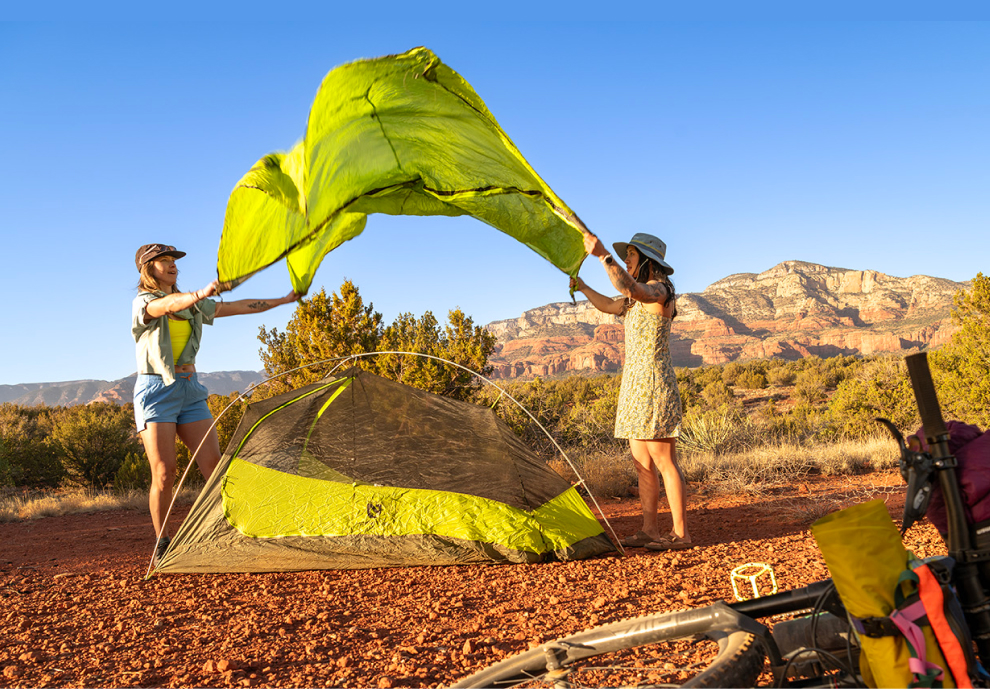
From lightweight daypacks to insulated jackets and head-to-toe layers, this camping essentials guide shows women how to pack smart, stay comfortable, and enjoy the outdoors without compromise.
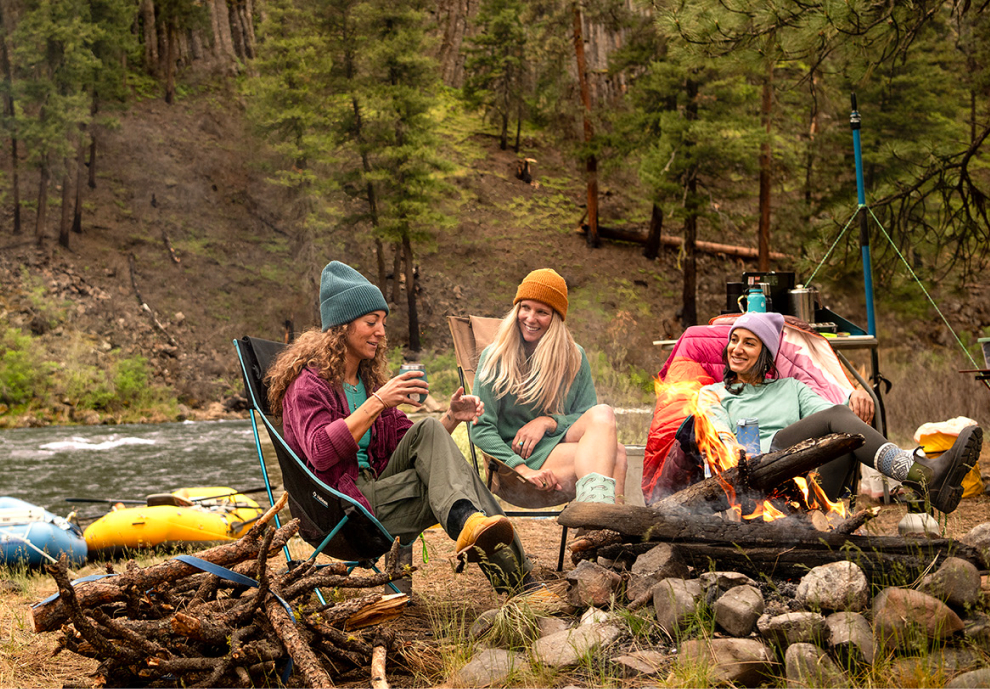
Gear up for the wild with Title Nine’s ultimate guide to what to wear camping—from moisture-wicking base layers and versatile mid-layers to rugged outerwear and trail-ready footwear, every piece is built for women who move hard, stay comfortable, and...
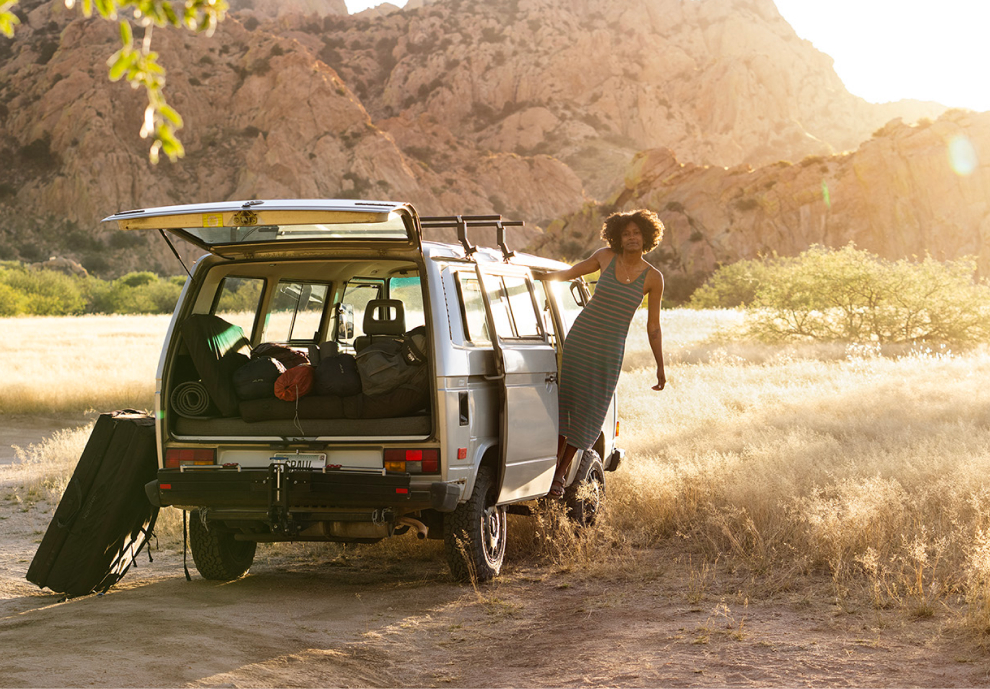
Find the best women’s travel clothing built for carry-on ease and all-day adventure—wrinkle-resistant, lightweight, and ready for flights, cities, and trails. From versatile dresses to packable layers, this gear goes wherever you do.