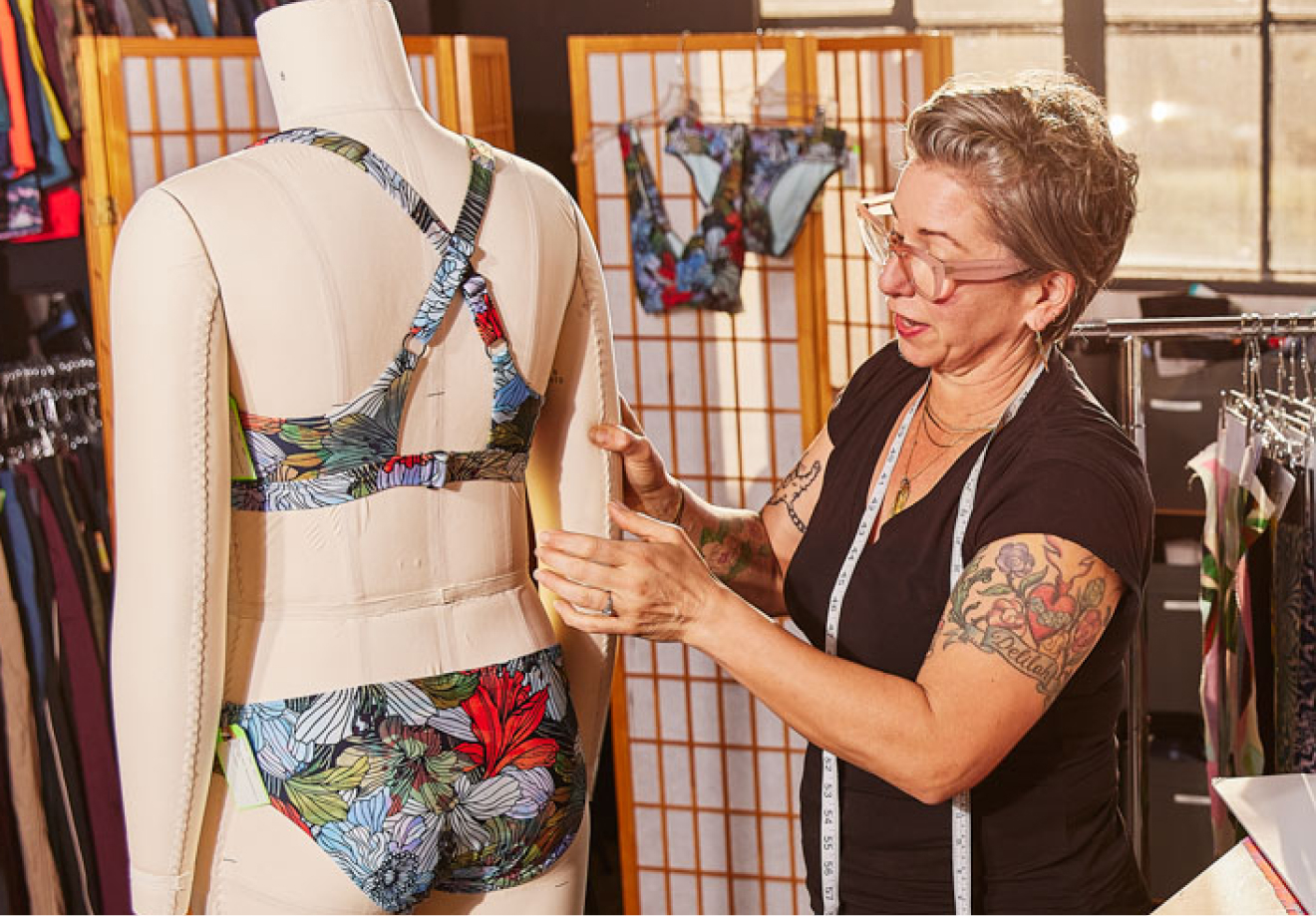
Inside T9
Women's Swimwear Built for Real Bodies & Movement
Discover women-designed swimwear built for active women. Better fit, stay-put support, quick-dry performance, and real-world wear testing.
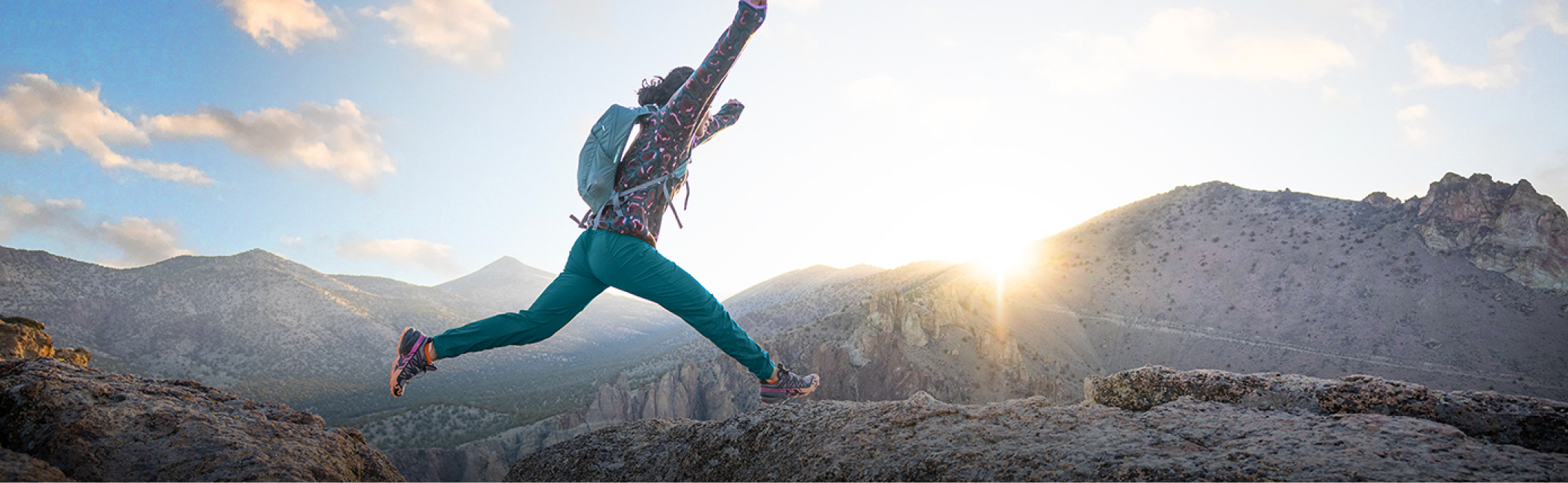

We know the drill. We find a pair of hiking pants that boast incredible durability, phenomenal stretch, and pockets that actually hold a compass and a phone. We pull them on, get ready to tackle the trail, and immediately realize we have six inches of extra fabric pooling around our ankles.
For years, the outdoor industry gave petite women two terrible options. We could either buy the standard sizes and drag the hems through the mud, or we could buy the so-called "petite" versions that were just regular pants chopped off at the bottom. Neither option respects the way we move, the way we hike, or the power our bodies bring to the mountain. We aren't looking at our gear before we can use it. We demand more from our clothing because we demand more from ourselves.
We need the best hiking pants for petite women—pants engineered with shorter inseams, proper knee articulation, proportional waistbands, and pocket placements that actually make sense for our frames. We need gear that handles sweat, abrasive granite scrambles, and long mileage without sagging, bagging, or holding us back.
We are wear-testers. We spend our weekends crashing through brush, scaling steep inclines, and putting our gear through absolute chaos to see what survives. We don't settle for gear that just looks okay; we require performance, versatility, and undeniable strength.
Here is everything we know about finding, fitting, and testing the best hiking pants for petite women, along with the powerhouse pairs that have survived our most brutal trail tests.
If you are five-foot-three or under, you have probably been told to "just hem" your pants. We despise this advice. When it comes to performance athletic gear, a hem is never just a hem.
Technical hiking pants are engineered as a complete system. The designers place the knee articulation—those strategic darts and seams that allow you to bend your leg without the fabric pulling tight—based on the assumption of a longer leg. When a petite woman puts on standard pants, that knee articulation drops down to her shin. When we step up onto a boulder or scramble over a fallen tree, the pants catch. The mobility is entirely compromised.
Furthermore, many of the best hiking pants feature zippers, adjustable cords, or snaps at the ankle. If you hem the bottom of roll-up pants or zip-off pants, you destroy the very functionality you paid for. You lose the drawcord that keeps ticks out of your boots. You lose the snaps that allow you to convert them to capris when the sun starts beating down.
We need pants built from the waistband down for a petite frame. That means a shorter inseam, a proportional rise, elevated knee darts, and a fit that respects our strength.
When we evaluate outdoor apparel for our shorter wear-testers, we look at four critical zones. If pants fail in any of these areas, it does not make it into our gear rotation.
The most obvious factor is the inseam. For petite women, a standard 31-inch or 32-inch inseam is a tripping hazard. We look for inseams hitting between 27 and 29 inches, depending on the cut. A proper petite inseam ensures the hem sits neatly over our hiking boots without dragging in the dirt or requiring an awkward cuff.
We need a waistband that stays put. A backpack hip belt will aggressively push down on a poor waistband, leading to constant adjustments. For shorter torsos, an ultra-high rise can sometimes pull all the way up to our ribcages, causing chafing and restricting our breathing during tough ascents. A proper mid-rise or carefully tailored high-rise is crucial. We love an elastic waistband with an internal drawcord. This allows for infinite adjustability, ensuring the pants stays locked in place whether we are hauling a heavy pack up a scree field or bending over to pitch a tent.
As mentioned, knee articulation is the dealbreaker. We look for pants where the built-in stretch and seam allowance actually hit at the kneecap. This gives us the power and mobility to take massive steps, lunge over creeks, and climb without the thigh fabric pulling tight and fighting against our forward momentum.
On standard pants, a thigh pocket often drops down to the knee on a petite frame. When you load a heavy phone or a multi-tool into a pocket that sits on your knee, it bangs painfully against your joint with every single step. True petite tailoring moves the thigh pocket higher up the leg, keeping our gear secure, accessible, and out of the way of our joints.
We don’t just take the manufacturer's word for it. When we want to know if pants are truly durable, wicking, and trail-ready, we hand it over to our most relentless wear-testers and tell them to go to work.
Our testing process is aggressive. We take these pants into the deep woods and scramble over abrasive sandstone. We sit on rough logs, slide down dusty embankments, and push through damp, overgrown brush. We wear them in the glaring sun to test their UPF 50 sun protection, and we deliberately march through streams to see how fast the water-resistant finish sheds moisture.
We want to know what happens when we sweat through a steep four-mile climb. Does the fabric breathe, or does it feel like a swamp? Does the elastane hold its shape, or do we end up with a saggy diaper look by mile ten?
We also wash them. Over and over again. We stuff them into overpacked duffel bags to test their wrinkle-free claims, and we check the seams to ensure they hold up to heavy, repeated use. Only the gear that survives this gauntlet earns our respect.
After countless miles, hundreds of switchbacks, and plenty of post-hike parking lot tailgates, our testers have narrowed down the absolute best hiking pants for petite frames. These pants deliver the performance, durability, and fit we demand.
We hold our own designs to the same brutal standards we apply to the rest of the industry. When we pull on a pair of Clamber pants, we are sliding into the driver's seat of our adventure.
Why we love it: We designed the Clamber with a dense stretch woven fabric that sheds stains, laughs at abrasion, and holds its shape without any back talk. It is a powerhouse pant built for women who refuse to sit still.
Trail Performance: Whether we are bouldering, bushwhacking, or setting up camp, this fabric provides absolute freedom. It is wind-resistant, water-resistant, and tough as nails.
The Fit: We offer specific lengths because we know one size does not fit all. The waistband is contoured to eliminate gapping at the back, giving us a secure, powerful fit that stays locked in all day.
When the forecast calls for cold temperatures but staying inside isn't an option, the Crash Fleece Lined Flare Pants – Petite are the pair we reach for. Wind-resistant on the outside and lined with Thermaplush™ fleece on the inside, they deliver warmth without sacrificing stretch, making them ideal for winter hikes, campground mornings, and everyday adventures.
Why we love them: Thermaplush™ fleece traps heat while the weather-resistant exterior blocks chilly winds, keeping us comfortable on cold-weather outings without bulky layers.
Trail Performance: Built for hiking, walking, and everyday winter wear, the moisture-wicking stretch fabric moves with us while multiple secure pockets keep essentials close. The pull-on waistband with an internal drawcord provides all-day comfort whether we're climbing trails or running errands.
The Fit: Designed specifically for women 5'1"–5'3", the 30-inch petite inseam, mid-rise waist, and flattering flare silhouette create a comfortable fit that works with hiking boots just as well as everyday sneakers.
Cold weather workouts demand gear that keeps us warm without causing us to overheat. The Cold Killer Pants – Petite combine wind-blocking protection with breathable performance, making them our go-to for winter hiking, trail running, snowshoeing, and fast-paced outdoor adventures.
Why we love them: Softshell fabric shields the front from wind and light precipitation while the breathable knit back panel releases excess heat during climbs and high-output efforts.
Trail Performance: Water-resistant, wind-resistant, and built to move, these pants excel during cold-weather hikes when the pace is brisk. Zippered ankles make them easy to pull over boots, while the yoga-inspired waistband stays comfortable through every mile.
The Fit: A high-rise waistband with an internal infinite drawcord creates a secure fit, and the 30-inch petite inseam is tailored specifically for women 5'1"–5'3", eliminating excess fabric without limiting movement.
For hikes where we'd rather leave the backpack behind, the Cordillera Cargo Hiking Pants – Petite carry the load. Durable, lightweight, and loaded with smart storage, they're built for everything from day hikes to multi-day adventures.
Why we love them: Our abrasion-resistant ClambR™ fabric combines recycled nylon with four-way stretch, while UPF 50 protection and a PFC-free DWR finish keep us comfortable through changing trail conditions.
Trail Performance: Six easy-access pockets, a waistband shirt tunnel for stashing layers, and a rear carabiner loop make it easy to carry snacks, maps, gloves, and other trail essentials without slowing down. Elastic cuffs with zipper openings adapt easily to hiking boots.
The Fit: The relaxed silhouette provides room to move without feeling bulky, while the 26-inch petite inseam and adjustable internal waistband create a dialed-in fit for women 5'1"–5'3".
Understanding exactly how these pants are engineered makes it much easier to find the perfect fit. We don't just guess when we shop for gear; we evaluate the geometry of the garment.
Over the last decade, high-rise pants have taken over the athletic apparel world. In many cases, we love a high rise. It feels secure, it doesn't slide down, and it pairs perfectly with cropped athletic tops.
However, on a petite frame, high-rise hiking pants can sometimes be too much of a good thing. If you have a short torso, true high-rise pants might reach the bottom of your ribs. When you are taking deep, heavy breaths at high altitude, you do not want a rigid waistband restricting your diaphragm.
This is why many of our wear-testers strongly prefer a mid-rise for hardcore trail use. A mid-rise sits securely on the hip bones. It anchors perfectly beneath a backpack's hip belt without interfering with your stomach or ribs. If you do opt for a high-rise, ensure it is a soft, elastic waistband rather than a rigid woven band with a button closure.
An adjustable waistband is non-negotiable. Even the most perfectly fitted pants will feel loose after four days on the trail. We lose water weight, our bodies change, and the fabric naturally relaxes.
We aggressively favor pants with an internal drawcord. This simple piece of string provides infinite micro-adjustments. If we are carrying a heavy pack, we cinch the drawcord tight to ensure the pants don't migrate southward. If we are driving five hours home from the trailhead, we loosen it up for maximum comfort.
The hem of your hiking pants dictates how you interact with the terrain.
The difference between a miserable hike and a triumphant summit often comes down to fabric science. We do not tolerate fabrics that hold onto sweat, restrict our movement, or tear on the first sharp rock we encounter. We demand high-tech materials that work as hard as we do.
Almost all technical hiking pants are built from a base of either nylon or polyester. Both are synthetic fabrics, but they behave differently in the wild.
Nylon is the bruiser of the fabric world. It is exceptionally durable, highly abrasion-resistant, and incredibly strong. If you are scrambling over abrasive rocks or hiking through thorny brush, you want high-nylon-content pants. It will simply shrug off damage that would destroy lesser fabrics.
Polyester is lighter, softer, and inherently better at managing moisture. It pulls sweat away from the body and dries remarkably fast. We often prefer polyester blends for hot, humid climates where managing sweat is our number one priority.
Many of our favorite pants use a strategic blend of both, giving us the durability of nylon with the wicking power of polyester.
We need stretch. We are constantly lunging over streams, bending down to adjust our boots, and taking massive steps up steep trails. Without spandex (also known as elastane), woven pants would severely restrict our mobility.
Most performance pants feature between 3% and 15% elastane.
The secret to great pants is "recovery"—the fabric's ability to snap back to its original shape after being stretched. We rigorously test for recovery to ensure we don't end up with baggy, misshapen knees halfway through a trek.
You will see the acronym DWR everywhere in outdoor gear. It stands for Durable Water Repellent. This is a chemical treatment applied to the exterior of the fabric that causes water to bead up and roll off rather than soaking into the fibers.
A good DWR finish is absolute magic on the trail. If you are pushing through wet, dew-covered brush in the morning, DWR-treated pants will keep your legs perfectly dry. If a sudden rainstorm hits, the water will bounce right off you.
However, DWR is not waterproof. If you stand in a torrential downpour for an hour, the water will eventually push through. But for light rain, stream crossings, and wet vegetation, DWR is an essential line of defense.
When we are hiking at high altitudes, the UV rays are brutal. Sunscreen is great, but it sweats off. We rely heavily on our apparel to protect our skin.
UPF (Ultraviolet Protection Factor) is the rating system used for apparel. A UPF 50 rating means the fabric only allows 1/50th of the sun's UV radiation to pass through it. This is practically a mandatory feature for our summer hiking gear. We want to spend eight hours on a sun-baked ridgeline without worrying about burning our legs.
We carry our own weight. We aren't out here waiting for someone else to hold our gear. We need pockets that actually function, not just decorative slits sewn into the fabric for show.
On many women's pants, the front hand pockets are infuriatingly shallow. You can barely fit a single key in them, let alone a modern smartphone. Furthermore, when you buckle the hip belt of a hiking pack, it clamps down directly over those front pockets, rendering them entirely useless.
We check the front pocket depth on all the pants we test. We want pockets deep enough to securely hold our hands when the wind picks up, and we want them lined with breathable mesh so they don't create sweaty hot spots against our hips.
The zippered thigh pocket is the greatest invention in modern outdoor apparel. It sits exactly where we need it—below the hip belt of our pack, but above the articulation of our knee.
A proper thigh pocket allows us to stash a smartphone, a trail map, or a handful of trail mix in a place that is instantly accessible without breaking our stride. We insist on zippered closures for thigh pockets. We scramble up steep inclines and slide down on our backsides; if a pocket doesn't zip, whatever is inside it will inevitably fall out and disappear down the mountain.
We love a tough, utilitarian cargo pocket. A rugged cargo pant screams functionality and preparedness. We can load them up with a knife, a compass, and extra snacks, leaving our hands totally free.
However, bulky cargo pockets can sometimes snag on tight brush. For thick, overgrown trails, we often prefer a more streamlined, inset zippered pocket that holds our gear close to the leg without adding external bulk. Both have their place in our gear closet, depending on the mission of the day.
We ask a lot of our gear, so we have to treat it right when we get home. Technical fabrics require a little bit of specialized care to ensure they keep performing year after year.
Never use fabric softener on technical athletic apparel. Fabric softener works by leaving a waxy residue on the fibers to make them feel softer. This residue instantly clogs the pores of moisture-wicking fabrics and destroys the DWR finish.
We wash our hiking pants in cold or warm water using a mild, clean-rinsing detergent. We turn them inside out to protect the zippers and the exterior face fabric from unnecessary abrasion inside the machine.
DWR treatments wear off over time. Friction from walking, washing, and general trail dirt will eventually degrade the water-resistant coating. You will know the DWR has failed when water no longer beads up on the fabric, but instead soaks in and creates a dark, wet spot.
You can easily revive the DWR finish. First, wash the pants thoroughly, as dirt alone can mask the DWR. Once they are clean, toss them in the dryer on a low or medium heat setting for about 15 minutes. The heat reactivates the chemical bonds of the DWR treatment.
If the heat trick doesn't work, the coating has fully worn off. We use a spray-on or wash-in DWR restoring product (like Nikwax) to re-treat the fabric, making our favorite pants repel water like they are brand new.
We are hard on our clothes. We slide down scree fields and snag our legs on sharp branches. If we tear a hole in our pants, we don't throw them away. We patch them.
In the field, a strip of heavy-duty duct tape works miracles. It seals the tear and prevents the rip from expanding. When we get home, we use dedicated nylon gear repair tape (like Tenacious Tape). We round the corners of the patch so it doesn't peel up, apply it smoothly over the tear, and press it firmly. We wear our patches like badges of honor—proof that we are getting after it, pushing our limits, and putting our gear to the ultimate test.
We are not going to sit still, and we are certainly not going to let poorly designed clothing dictate how we explore the world. We demand high-tech features, undeniable strength, and apparel that makes our active lives easier, not harder.
Finding the best hiking pants for petite women isn't just about shaving a few inches off a hemline. It is about demanding proportional engineering, functional articulation, and a fierce commitment to performance. We require gear that fits our bodies, honors our strength, and fuels our movement.
Whether we are crushing a fast-paced day hike, setting out on a week-long backpacking expedition, or simply navigating the chaotic, wonderful realities of our daily hustle, we need clothing that works. We pull on our technical pants, cinch down the waistbands, check our pockets, and head straight for the trailhead. The mountain is waiting. We are geared up, we are ready, and we are fit to win.
Discover women-designed swimwear built for active women. Better fit, stay-put support, quick-dry performance, and real-world wear testing.

Built by women who run, ride, climb, train, and test gear for a living, these women-owned sports bra brands know what support should feel like. Meet the founders behind the sports bras we trust for every adventure.
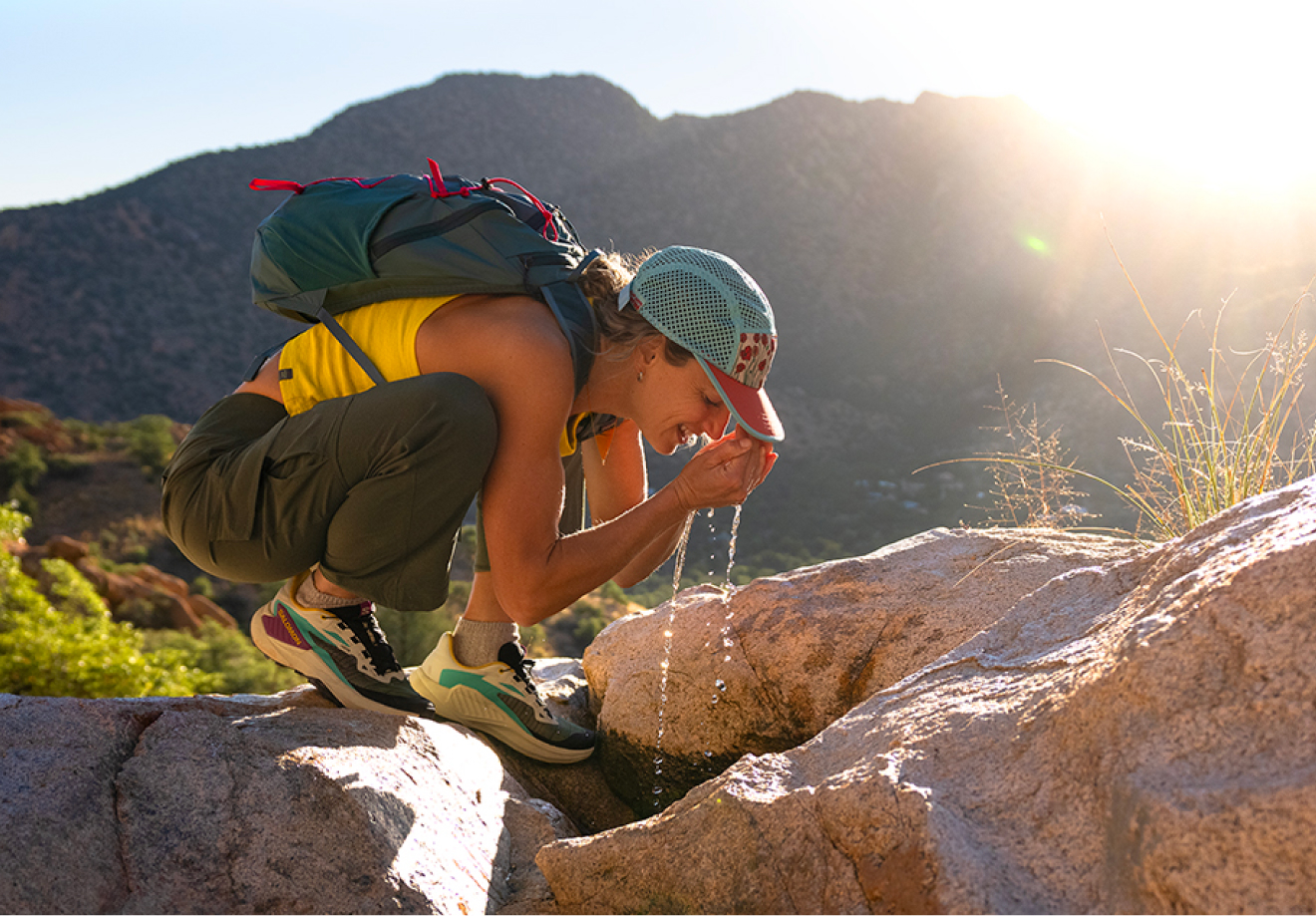
Learn what to look for in women's hiking pants with our expert guide to hiking pant fit, durable fabrics, weather protection, pockets, stretch, UPF sun protection, and trail-ready features that keep you comfortable on every hike and outdoor adventure...
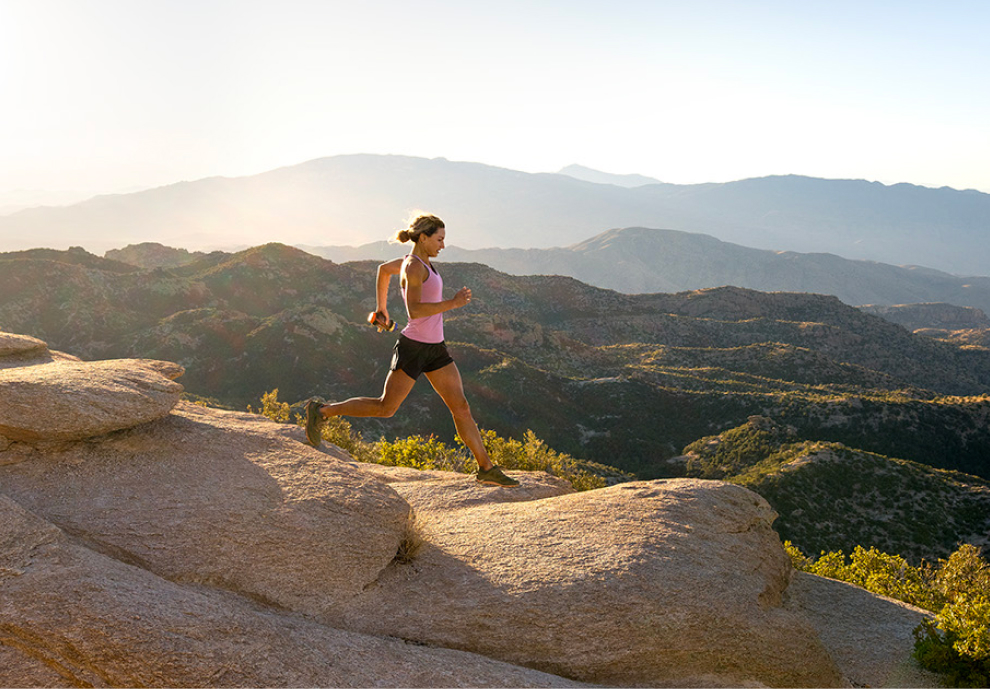
We run for ourselves, and our clothes better keep pace. This guide breaks down the best running gear for women—tops, bottoms, bras, shoes, and accessories—so you can hit the road or trail without a hitch.
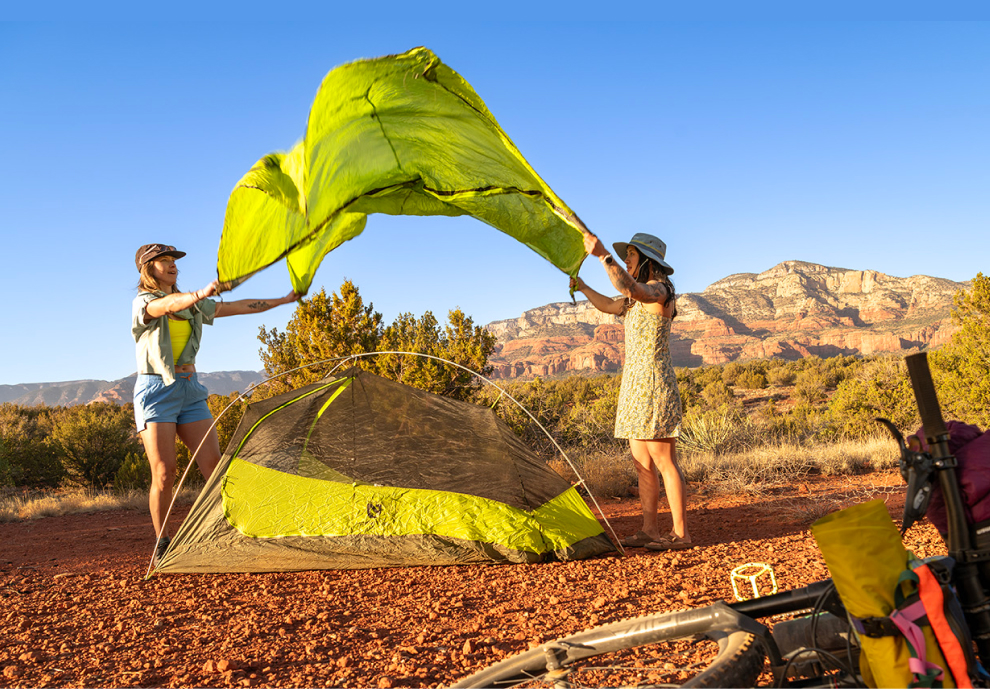
From lightweight daypacks to insulated jackets and head-to-toe layers, this camping essentials guide shows women how to pack smart, stay comfortable, and enjoy the outdoors without compromise.
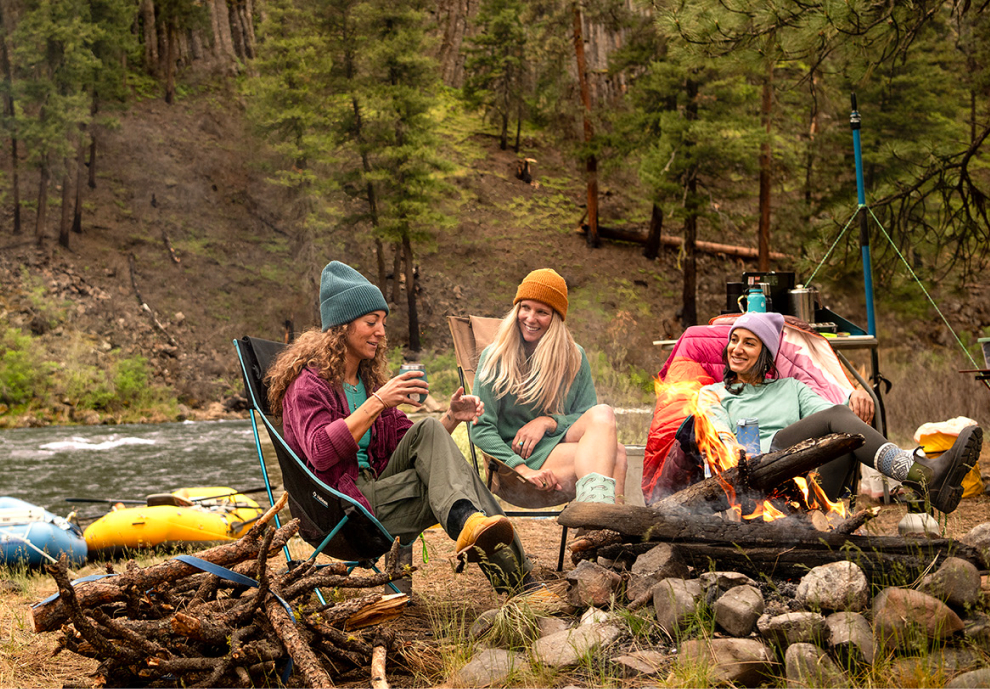
Gear up for the wild with Title Nine’s ultimate guide to what to wear camping—from moisture-wicking base layers and versatile mid-layers to rugged outerwear and trail-ready footwear, every piece is built for women who move hard, stay comfortable, and...