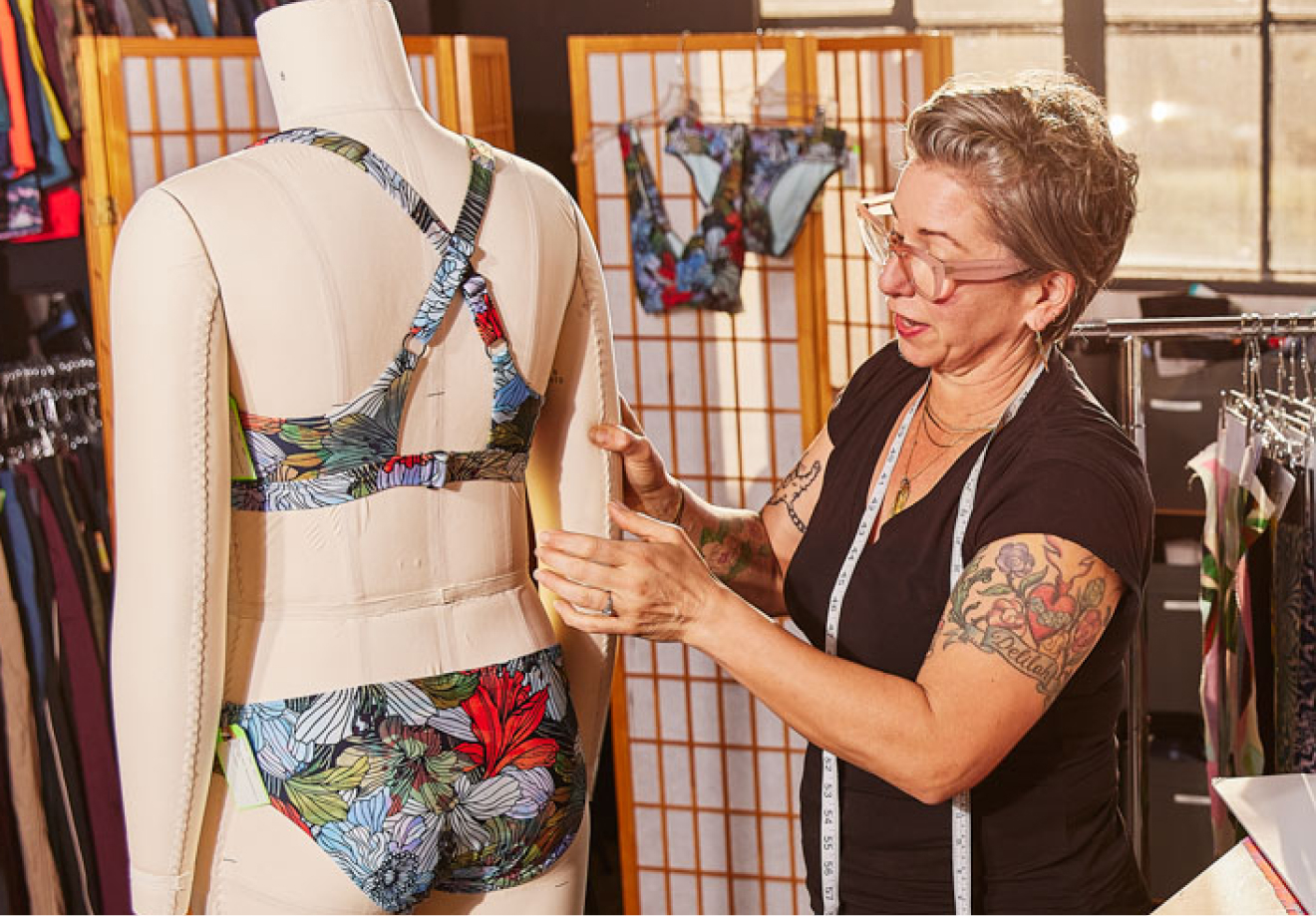
Inside T9
Women's Swimwear Built for Real Bodies & Movement
Discover women-designed swimwear built for active women. Better fit, stay-put support, quick-dry performance, and real-world wear testing.

You’re not one to sit still. You're the kind who answers the call of the wild with a 'hell yes' and a pack already half-loaded. For us, camping isn't about roughing it; it's about reclaiming our power, challenging our limits, and connecting with the raw, untamed outdoors. And just like any high-performance athletic endeavor, what we wear makes all the difference. We demand gear that works as hard as we do, clothing that’s as fierce and functional as our spirit.
Forget the flimsy fashion tips or the 'pretty little campsite' Pinterest boards. We're here to talk about real camping clothes for real women who get after it. Whether you’re heading to the backcountry or setting up a car camping basecamp, especially as those summer days heat up, your wardrobe needs to be as adaptable, durable, and strong as you are. We’re not selling you trends; we’re gearing you up for victory—on the trail, around the campfire, and wherever else your unstoppable spirit takes you. Let’s dive into how to build a camping wardrobe that never quits.
When we hit the outdoors, Mother Nature loves to keep us on our toes. One moment, the sun is blazing; the next, a sudden chill or a surprise shower has us reaching for a jacket. That’s why our go-to strategy for any camping trip, especially in unpredictable climates or at varying elevations, is the power of layering. It’s not just about adding clothes; it’s about strategic performance, ensuring we stay comfortable, dry, and ready for anything. We’re talking about a three-pronged attack: the base layer, the mid-layer, and the outer layer. Each piece plays a critical role in managing temperature, moisture, and protection, making us the ultimate adaptable athletes of the wilderness.

Think of your base layer as your second skin – the unsung hero that’s in direct contact with your body. Its primary mission? To manage moisture. When we're working hard, we sweat. And when that sweat sits against our skin, it cools rapidly, leading to discomfort and potentially dangerous hypothermia, even in milder temperatures. Our base layers need to be moisture-wicking powerhouses, drawing sweat away from our skin and pushing it to the fabric’s surface where it can evaporate. Materials like merino wool or synthetic fabrics (polyester, nylon) are champions in this arena. Merino wool offers natural odor resistance, breathability, and warmth even when damp, while synthetics are generally quicker to dry and more budget-friendly. Steer clear of cotton here; it absorbs moisture and holds it close, making us feel clammy and cold. A good base layer keeps us feeling dry, prevents chafing, and sets the stage for maximum comfort and performance throughout our camping adventures.
Once our base layer is tackling sweat, our mid-layer steps in to provide insulation and warmth. This is our muscle against the chill, trapping body heat to keep us cozy when temperatures drop. Depending on the weather conditions, a mid-layer can range from a lightweight fleece jacket, a durable flannel shirt, or a packable puffy vest. Fleece is a fantastic choice for its warmth-to-weight ratio, quick-drying properties, and breathability. A versatile flannel or shacket can pull double duty, offering a touch of warmth and a layer of protection from light breezes, all while giving us that classic outdoorsy vibe. For colder nights or higher altitudes, a technical down or synthetic insulated jacket provides serious warmth without unnecessary bulk. The beauty of the mid-layer is its adaptability: we can easily add or remove it as activity levels or weather patterns change, ensuring we maintain optimal body temperature and keep crushing our goals.
Finally, we have our outer layer – our ultimate shield against the elements. This is our last line of defense against wind, rain, and snow, protecting our inner layers and keeping us dry and protected. For most camping trips, a waterproof jacket or a water-resistant rain jacket is an absolute must-have. Look for features like sealed seams, adjustable hoods, and durable water repellent (DWR) finishes. Shell jackets made from advanced technical fabrics provide robust protection while remaining breathable, preventing us from feeling like we're in a sauna. For cooler, drier conditions, a wind-resistant jacket can be enough to cut through the breeze. This outer layer needs to be rugged, able to withstand the inevitable scrapes and brushes with nature, yet light enough to pack away easily when the skies clear. A reliable outer layer means we can face any forecast with confidence, knowing our gear has our back.
Our camping shirts are more than just fabric; they’re high-performance tools designed to keep us comfortable, protected, and ready to move. We look for shirts that are functional, versatile, and tough enough to handle whatever the trail throws our way.
For those sun-drenched summer days, a short-sleeve, moisture-wicking T-shirt is a non-negotiable. Made from technical fabrics, these shirts pull sweat away from our skin, keeping us dry and cool. Many also offer UPF (Ultraviolet Protection Factor) ratings, giving us built-in sun protection. We love colors that reflect sunlight, like light grays, blues, and greens, to help us stay cooler.
When the sun is relentless, or the bugs are biting, a long-sleeve shirt becomes our best friend. Opt for lightweight, breathable versions with high UPF ratings (UPF 30 or 50+ are ideal) to protect our skin from harmful UV rays. These often come with features like roll-up sleeves with tabs, vented backs, and quick-drying capabilities. They’re perfect for both active days and evenings around the campfire when we might want a bit more coverage.
And for that perfect blend of warmth, style, and utility, we reach for a flannel or a shacket (shirt-jacket hybrid). These pieces are fantastic mid-layers for cooler mornings and evenings, offering a soft, cozy feel and an extra bit of insulation. Look for those made from performance blends that offer better moisture management than traditional cotton flannels. They’re durable, versatile, and just right for lounging around the campsite or a casual hike. Whichever top we choose, the goal is always performance: wicking sweat, blocking sun, and standing up to the rigors of outdoor life.
When it comes to camping bottoms, we prioritize freedom of movement, durability, and quick-drying capabilities. Our legs carry us over mountains and through valleys, and our pants and shorts need to keep up without a fuss.
Performance hiking pants are a cornerstone of our camping wardrobe. We gravitate towards those made from stretch-woven synthetics (nylon/spandex blends) that offer incredible flexibility and resistance to snags and tears. Look for features like articulated knees for ease of movement, multiple pockets for stashing essentials, and an adjustable waistband. Many come with UPF protection and are inherently quick-drying, which is crucial if we get caught in a sudden downpour or need to wash them on the go.
For those unpredictable weather days or for maximum versatility, zip-off convertible pants are genius. They transform from full-length pants to shorts in a snap, giving us two pieces of gear in one. This means less to pack and more adaptability for changing conditions – perfect for those long days where the temperature swings wildly.
When the forecast is warm and clear, durable hiking shorts or athletic leggings are our go-to. Hiking shorts should be made from tough, quick-drying fabric with enough stretch to conquer any climb. Leggings, particularly those designed for athletic performance, offer fantastic range of motion and can be a comfortable option for both active pursuits and relaxing at camp. They often come with handy pockets and moisture-wicking properties.
Now, let’s talk about the elephant in the room: jeans. While comfy for some at home, we typically say "no thank you" to denim for active camping. Why? Because jeans are mostly cotton, and as we know, cotton absorbs moisture and takes forever to dry. When wet, cotton becomes heavy, uncomfortable, and robs our body of warmth, making it a recipe for disaster on the trail or in changing weather. So, leave the denim at home and embrace performance fabrics that keep us moving freely and comfortably.
Our feet are our power plant on any outdoor adventure, carrying us through varied terrain and unexpected challenges. Choosing the right footwear isn't just about comfort; it's about stability, protection, and ensuring our adventures are epic, not agonizing.
For serious hiking and uneven terrain, a pair of sturdy hiking boots or trail shoes is non-negotiable. Look for waterproof options, especially if there's any chance of rain, stream crossings, or dewy mornings. Good ankle support is key for stability on rough trails, while a rugged outsole with deep lugs provides superior traction. The most crucial rule here: break them in! Never bring brand-new boots on a camping trip; we need them to be molded to our feet and ready for action.
Once we’re done with the day’s activities and back at camp, our feet deserve a break. Camp shoes are a must-have for comfort and relaxation. This could be a pair of lightweight slip-on sneakers, durable sport sandals, or even robust flip-flops. These allow our feet to breathe, dry out, and recover, plus they’re super convenient for those late-night bathroom runs or quick trips to the water source.
And let’s not forget the unsung heroes of our feet: socks. Ditch the cotton socks; they're a recipe for blisters and discomfort. Instead, invest in high-quality wool socks (like merino wool) or synthetic blends. These miracle workers wick away moisture, help regulate temperature, and offer cushioning without bulk. Bring several pairs so you always have a dry set. Changing into fresh socks at the end of the day or after a particularly sweaty hike is a small luxury that makes a huge difference in foot health and overall comfort. Our feet work hard for us, so we gear them up with the best.
After a day of conquering trails and embracing the wilderness, our bodies crave comfort and warmth. Even on warm summer camping trips, temperatures can drop significantly at night, especially in the mountains or deserts. That's why having dedicated camp comfort and sleepwear is essential for a good night's rest, allowing us to recharge and be ready to tackle another day of adventure.
We believe in a clear distinction between our active day clothes and our camp/sleep clothes. Why? Because our day clothes are likely to be sweaty, dusty, or damp. Slipping into fresh, dry clothes at the end of the day feels like a small victory and significantly boosts morale and hygiene. For sleep, we opt for a clean, dry set of base layers—a long-sleeve top and leggings made from merino wool or a soft synthetic blend. These provide insulation, wick away any overnight moisture, and are incredibly comfortable. Even in summer, a lightweight long-sleeve set can prevent chills when the campfire dies down and the morning dew sets in.
Beyond sleepwear, having an extra warm layer for evenings around the campfire is crucial. A cozy fleece jacket or a lightweight puffy can make all the difference when stargazing or sharing stories. We might also pack a soft, packable blanket or shawl for extra warmth. Don't forget a beanie or warm hat – we lose a lot of heat through our heads, and a hat can be surprisingly effective for staying warm, whether we're sleeping or just chilling. And for navigating the camp in the dark, a reliable headlamp is a must-have. These small details might seem minor, but they contribute massively to our overall comfort, ensuring we get the restorative rest we need to unleash our full power the next day.
Summer camping is all about soaking up the sun and enjoying the long, bright days. But "summer" doesn't just mean warm; it can mean scorching, humid, or surprisingly chilly nights, even in 70-degree weather. Outsmarting the heat and humidity requires strategic planning for our camping clothes.
First and foremost, UPF-rated clothing is our best friend. We're talking long-sleeve shirts, wide-brimmed hats, and even neck gaiters that offer excellent sun protection. Don’t shy away from long sleeves in warm weather; many performance fabrics are designed to be ultra-light, breathable, and actually keep us cooler by shielding us from direct sun exposure. Look for clothing with UPF 30, 50, or even 50+ to block out harmful UV rays and protect our skin.
Light colors are another key strategy. Dark colors absorb heat, making us feel hotter, faster. White, pastels, and other light hues reflect sunlight, helping to keep our body temperature down. So, embrace those lighter shades for your T-shirts, shorts, and even your hat.
When it comes to fabrics, breathability and quick-drying are paramount. Synthetics like polyester and nylon are champions here, wicking moisture away from our skin to promote evaporative cooling. Lightweight merino wool also performs exceptionally well, offering natural temperature regulation and odor resistance. Look for clothing with mesh panels or vents for enhanced airflow.
For footwear, in addition to sturdy hiking boots for the trails, breathable sport sandals or water shoes are perfect for around camp, stream crossings, or cooling off by the lake. And never underestimate the power of a wide-brimmed hat and sunglasses to protect our face, neck, and eyes from intense sun. Staying cool, protected, and hydrated means we can keep exploring, pushing our limits, and enjoying every moment of our summer camping adventures without breaking a sweat over our wardrobe.
Just as important as knowing what to pack for our camping trips is knowing what to leave behind. Some things simply don’t belong in the great outdoors when we’re focused on performance and comfort.
First up, and we can’t stress this enough: cotton just doesn’t pull its weight. It absorbs moisture like a sponge and dries incredibly slowly. When it’s wet—from sweat, rain, or a splash—it loses its insulating properties and can leave us feeling chilled fast. So those comfy jeans, basic cotton T-shirts, and everyday cotton socks? Save them for home, not the trail.
Next, while we appreciate a good aesthetic, anything too delicate or high-maintenance needs to stay out of our camping pack. We’re going to get dirty. We’re going to snag fabric. We’re going to sit on logs and rocks and dirt. If it needs special washing, careful handling, or if a little mud would send us into a spiral, it’s not camp-friendly. Our clothes need to be as tough and low-maintenance as we are.
Finally—and this one’s worth repeating—skip the brand-new shoes or boots. Unbroken-in footwear is a fast track to blisters a few miles in. Break them in beforehand so they’re trail-ready when it counts.
Our philosophy is simple: gear up with purpose. Everything we pack should serve a function, support our movement, and help us enjoy the outdoors without hesitation. By avoiding these common pitfalls, we set ourselves up for a more comfortable, more fun adventure.
So there you have it, our no-nonsense guide to gearing up for your next camping trip. We’re all about empowering fierce women to tackle any adventure, and that starts with clothing that works as hard as you do. Remember the power of layers, invest in performance fabrics, protect yourself from the elements, and always prioritize comfort and durability. Now that you’re armed with the knowledge to build a wardrobe that’s as strong and versatile as your spirit, there’s nothing holding you back. Go get out there, break some conventions, and show the world what you’re made of! Be sure to check out our Camp Shop and Camping Essentials pages as well.

You’re not one to sit still. You're the kind who answers the call of the wild with a 'hell yes' and a pack already half-loaded. For us, camping isn't about roughing it; it's about reclaiming our power, challenging our limits, and connecting with the raw, untamed outdoors. And just like any high-performance athletic endeavor, what we wear makes all the difference. We demand gear that works as hard as we do, clothing that’s as fierce and functional as our spirit.
Forget the flimsy fashion tips or the 'pretty little campsite' Pinterest boards. We're here to talk about real camping clothes for real women who get after it. Whether you’re heading to the backcountry or setting up a car camping basecamp, especially as those summer days heat up, your wardrobe needs to be as adaptable, durable, and strong as you are. We’re not selling you trends; we’re gearing you up for victory—on the trail, around the campfire, and wherever else your unstoppable spirit takes you. Let’s dive into how to build a camping wardrobe that never quits.
When we hit the outdoors, Mother Nature loves to keep us on our toes. One moment, the sun is blazing; the next, a sudden chill or a surprise shower has us reaching for a jacket. That’s why our go-to strategy for any camping trip, especially in unpredictable climates or at varying elevations, is the power of layering. It’s not just about adding clothes; it’s about strategic performance, ensuring we stay comfortable, dry, and ready for anything. We’re talking about a three-pronged attack: the base layer, the mid-layer, and the outer layer. Each piece plays a critical role in managing temperature, moisture, and protection, making us the ultimate adaptable athletes of the wilderness.

Think of your base layer as your second skin – the unsung hero that’s in direct contact with your body. Its primary mission? To manage moisture. When we're working hard, we sweat. And when that sweat sits against our skin, it cools rapidly, leading to discomfort and potentially dangerous hypothermia, even in milder temperatures. Our base layers need to be moisture-wicking powerhouses, drawing sweat away from our skin and pushing it to the fabric’s surface where it can evaporate. Materials like merino wool or synthetic fabrics (polyester, nylon) are champions in this arena. Merino wool offers natural odor resistance, breathability, and warmth even when damp, while synthetics are generally quicker to dry and more budget-friendly. Steer clear of cotton here; it absorbs moisture and holds it close, making us feel clammy and cold. A good base layer keeps us feeling dry, prevents chafing, and sets the stage for maximum comfort and performance throughout our camping adventures.
Once our base layer is tackling sweat, our mid-layer steps in to provide insulation and warmth. This is our muscle against the chill, trapping body heat to keep us cozy when temperatures drop. Depending on the weather conditions, a mid-layer can range from a lightweight fleece jacket, a durable flannel shirt, or a packable puffy vest. Fleece is a fantastic choice for its warmth-to-weight ratio, quick-drying properties, and breathability. A versatile flannel or shacket can pull double duty, offering a touch of warmth and a layer of protection from light breezes, all while giving us that classic outdoorsy vibe. For colder nights or higher altitudes, a technical down or synthetic insulated jacket provides serious warmth without unnecessary bulk. The beauty of the mid-layer is its adaptability: we can easily add or remove it as activity levels or weather patterns change, ensuring we maintain optimal body temperature and keep crushing our goals.
Finally, we have our outer layer – our ultimate shield against the elements. This is our last line of defense against wind, rain, and snow, protecting our inner layers and keeping us dry and protected. For most camping trips, a waterproof jacket or a water-resistant rain jacket is an absolute must-have. Look for features like sealed seams, adjustable hoods, and durable water repellent (DWR) finishes. Shell jackets made from advanced technical fabrics provide robust protection while remaining breathable, preventing us from feeling like we're in a sauna. For cooler, drier conditions, a wind-resistant jacket can be enough to cut through the breeze. This outer layer needs to be rugged, able to withstand the inevitable scrapes and brushes with nature, yet light enough to pack away easily when the skies clear. A reliable outer layer means we can face any forecast with confidence, knowing our gear has our back.
Our camping shirts are more than just fabric; they’re high-performance tools designed to keep us comfortable, protected, and ready to move. We look for shirts that are functional, versatile, and tough enough to handle whatever the trail throws our way.
For those sun-drenched summer days, a short-sleeve, moisture-wicking T-shirt is a non-negotiable. Made from technical fabrics, these shirts pull sweat away from our skin, keeping us dry and cool. Many also offer UPF (Ultraviolet Protection Factor) ratings, giving us built-in sun protection. We love colors that reflect sunlight, like light grays, blues, and greens, to help us stay cooler.
When the sun is relentless, or the bugs are biting, a long-sleeve shirt becomes our best friend. Opt for lightweight, breathable versions with high UPF ratings (UPF 30 or 50+ are ideal) to protect our skin from harmful UV rays. These often come with features like roll-up sleeves with tabs, vented backs, and quick-drying capabilities. They’re perfect for both active days and evenings around the campfire when we might want a bit more coverage.
And for that perfect blend of warmth, style, and utility, we reach for a flannel or a shacket (shirt-jacket hybrid). These pieces are fantastic mid-layers for cooler mornings and evenings, offering a soft, cozy feel and an extra bit of insulation. Look for those made from performance blends that offer better moisture management than traditional cotton flannels. They’re durable, versatile, and just right for lounging around the campsite or a casual hike. Whichever top we choose, the goal is always performance: wicking sweat, blocking sun, and standing up to the rigors of outdoor life.
When it comes to camping bottoms, we prioritize freedom of movement, durability, and quick-drying capabilities. Our legs carry us over mountains and through valleys, and our pants and shorts need to keep up without a fuss.
Performance hiking pants are a cornerstone of our camping wardrobe. We gravitate towards those made from stretch-woven synthetics (nylon/spandex blends) that offer incredible flexibility and resistance to snags and tears. Look for features like articulated knees for ease of movement, multiple pockets for stashing essentials, and an adjustable waistband. Many come with UPF protection and are inherently quick-drying, which is crucial if we get caught in a sudden downpour or need to wash them on the go.
For those unpredictable weather days or for maximum versatility, zip-off convertible pants are genius. They transform from full-length pants to shorts in a snap, giving us two pieces of gear in one. This means less to pack and more adaptability for changing conditions – perfect for those long days where the temperature swings wildly.
When the forecast is warm and clear, durable hiking shorts or athletic leggings are our go-to. Hiking shorts should be made from tough, quick-drying fabric with enough stretch to conquer any climb. Leggings, particularly those designed for athletic performance, offer fantastic range of motion and can be a comfortable option for both active pursuits and relaxing at camp. They often come with handy pockets and moisture-wicking properties.
Now, let’s talk about the elephant in the room: jeans. While comfy for some at home, we typically say "no thank you" to denim for active camping. Why? Because jeans are mostly cotton, and as we know, cotton absorbs moisture and takes forever to dry. When wet, cotton becomes heavy, uncomfortable, and robs our body of warmth, making it a recipe for disaster on the trail or in changing weather. So, leave the denim at home and embrace performance fabrics that keep us moving freely and comfortably.
Our feet are our power plant on any outdoor adventure, carrying us through varied terrain and unexpected challenges. Choosing the right footwear isn't just about comfort; it's about stability, protection, and ensuring our adventures are epic, not agonizing.
For serious hiking and uneven terrain, a pair of sturdy hiking boots or trail shoes is non-negotiable. Look for waterproof options, especially if there's any chance of rain, stream crossings, or dewy mornings. Good ankle support is key for stability on rough trails, while a rugged outsole with deep lugs provides superior traction. The most crucial rule here: break them in! Never bring brand-new boots on a camping trip; we need them to be molded to our feet and ready for action.
Once we’re done with the day’s activities and back at camp, our feet deserve a break. Camp shoes are a must-have for comfort and relaxation. This could be a pair of lightweight slip-on sneakers, durable sport sandals, or even robust flip-flops. These allow our feet to breathe, dry out, and recover, plus they’re super convenient for those late-night bathroom runs or quick trips to the water source.
And let’s not forget the unsung heroes of our feet: socks. Ditch the cotton socks; they're a recipe for blisters and discomfort. Instead, invest in high-quality wool socks (like merino wool) or synthetic blends. These miracle workers wick away moisture, help regulate temperature, and offer cushioning without bulk. Bring several pairs so you always have a dry set. Changing into fresh socks at the end of the day or after a particularly sweaty hike is a small luxury that makes a huge difference in foot health and overall comfort. Our feet work hard for us, so we gear them up with the best.
After a day of conquering trails and embracing the wilderness, our bodies crave comfort and warmth. Even on warm summer camping trips, temperatures can drop significantly at night, especially in the mountains or deserts. That's why having dedicated camp comfort and sleepwear is essential for a good night's rest, allowing us to recharge and be ready to tackle another day of adventure.
We believe in a clear distinction between our active day clothes and our camp/sleep clothes. Why? Because our day clothes are likely to be sweaty, dusty, or damp. Slipping into fresh, dry clothes at the end of the day feels like a small victory and significantly boosts morale and hygiene. For sleep, we opt for a clean, dry set of base layers—a long-sleeve top and leggings made from merino wool or a soft synthetic blend. These provide insulation, wick away any overnight moisture, and are incredibly comfortable. Even in summer, a lightweight long-sleeve set can prevent chills when the campfire dies down and the morning dew sets in.
Beyond sleepwear, having an extra warm layer for evenings around the campfire is crucial. A cozy fleece jacket or a lightweight puffy can make all the difference when stargazing or sharing stories. We might also pack a soft, packable blanket or shawl for extra warmth. Don't forget a beanie or warm hat – we lose a lot of heat through our heads, and a hat can be surprisingly effective for staying warm, whether we're sleeping or just chilling. And for navigating the camp in the dark, a reliable headlamp is a must-have. These small details might seem minor, but they contribute massively to our overall comfort, ensuring we get the restorative rest we need to unleash our full power the next day.
Summer camping is all about soaking up the sun and enjoying the long, bright days. But "summer" doesn't just mean warm; it can mean scorching, humid, or surprisingly chilly nights, even in 70-degree weather. Outsmarting the heat and humidity requires strategic planning for our camping clothes.
First and foremost, UPF-rated clothing is our best friend. We're talking long-sleeve shirts, wide-brimmed hats, and even neck gaiters that offer excellent sun protection. Don’t shy away from long sleeves in warm weather; many performance fabrics are designed to be ultra-light, breathable, and actually keep us cooler by shielding us from direct sun exposure. Look for clothing with UPF 30, 50, or even 50+ to block out harmful UV rays and protect our skin.
Light colors are another key strategy. Dark colors absorb heat, making us feel hotter, faster. White, pastels, and other light hues reflect sunlight, helping to keep our body temperature down. So, embrace those lighter shades for your T-shirts, shorts, and even your hat.
When it comes to fabrics, breathability and quick-drying are paramount. Synthetics like polyester and nylon are champions here, wicking moisture away from our skin to promote evaporative cooling. Lightweight merino wool also performs exceptionally well, offering natural temperature regulation and odor resistance. Look for clothing with mesh panels or vents for enhanced airflow.
For footwear, in addition to sturdy hiking boots for the trails, breathable sport sandals or water shoes are perfect for around camp, stream crossings, or cooling off by the lake. And never underestimate the power of a wide-brimmed hat and sunglasses to protect our face, neck, and eyes from intense sun. Staying cool, protected, and hydrated means we can keep exploring, pushing our limits, and enjoying every moment of our summer camping adventures without breaking a sweat over our wardrobe.
Just as important as knowing what to pack for our camping trips is knowing what to leave behind. Some things simply don’t belong in the great outdoors when we’re focused on performance and comfort.
First up, and we can’t stress this enough: cotton just doesn’t pull its weight. It absorbs moisture like a sponge and dries incredibly slowly. When it’s wet—from sweat, rain, or a splash—it loses its insulating properties and can leave us feeling chilled fast. So those comfy jeans, basic cotton T-shirts, and everyday cotton socks? Save them for home, not the trail.
Next, while we appreciate a good aesthetic, anything too delicate or high-maintenance needs to stay out of our camping pack. We’re going to get dirty. We’re going to snag fabric. We’re going to sit on logs and rocks and dirt. If it needs special washing, careful handling, or if a little mud would send us into a spiral, it’s not camp-friendly. Our clothes need to be as tough and low-maintenance as we are.
Finally—and this one’s worth repeating—skip the brand-new shoes or boots. Unbroken-in footwear is a fast track to blisters a few miles in. Break them in beforehand so they’re trail-ready when it counts.
Our philosophy is simple: gear up with purpose. Everything we pack should serve a function, support our movement, and help us enjoy the outdoors without hesitation. By avoiding these common pitfalls, we set ourselves up for a more comfortable, more fun adventure.
So there you have it, our no-nonsense guide to gearing up for your next camping trip. We’re all about empowering fierce women to tackle any adventure, and that starts with clothing that works as hard as you do. Remember the power of layers, invest in performance fabrics, protect yourself from the elements, and always prioritize comfort and durability. Now that you’re armed with the knowledge to build a wardrobe that’s as strong and versatile as your spirit, there’s nothing holding you back. Go get out there, break some conventions, and show the world what you’re made of! Be sure to check out our Camp Shop and Camping Essentials pages as well.


World traveller. Pocket evangelist. Frog fan. Javi’s got range—and six years of designing outdoor apparel to prove it. She’s all about hitting the sweet spot between functional and flattering: adjustable dresses with flair and pockets (because snacks). A certified hike-finisher—even when wildly unprepared (okay, only once). If it’s unexpected, Javi’s all in—and so are her designs: trail-tested, snack-stashing, frog-figurine friendly.
Last Updated: 01/2026
Discover women-designed swimwear built for active women. Better fit, stay-put support, quick-dry performance, and real-world wear testing.

Built by women who run, ride, climb, train, and test gear for a living, these women-owned sports bra brands know what support should feel like. Meet the founders behind the sports bras we trust for every adventure.
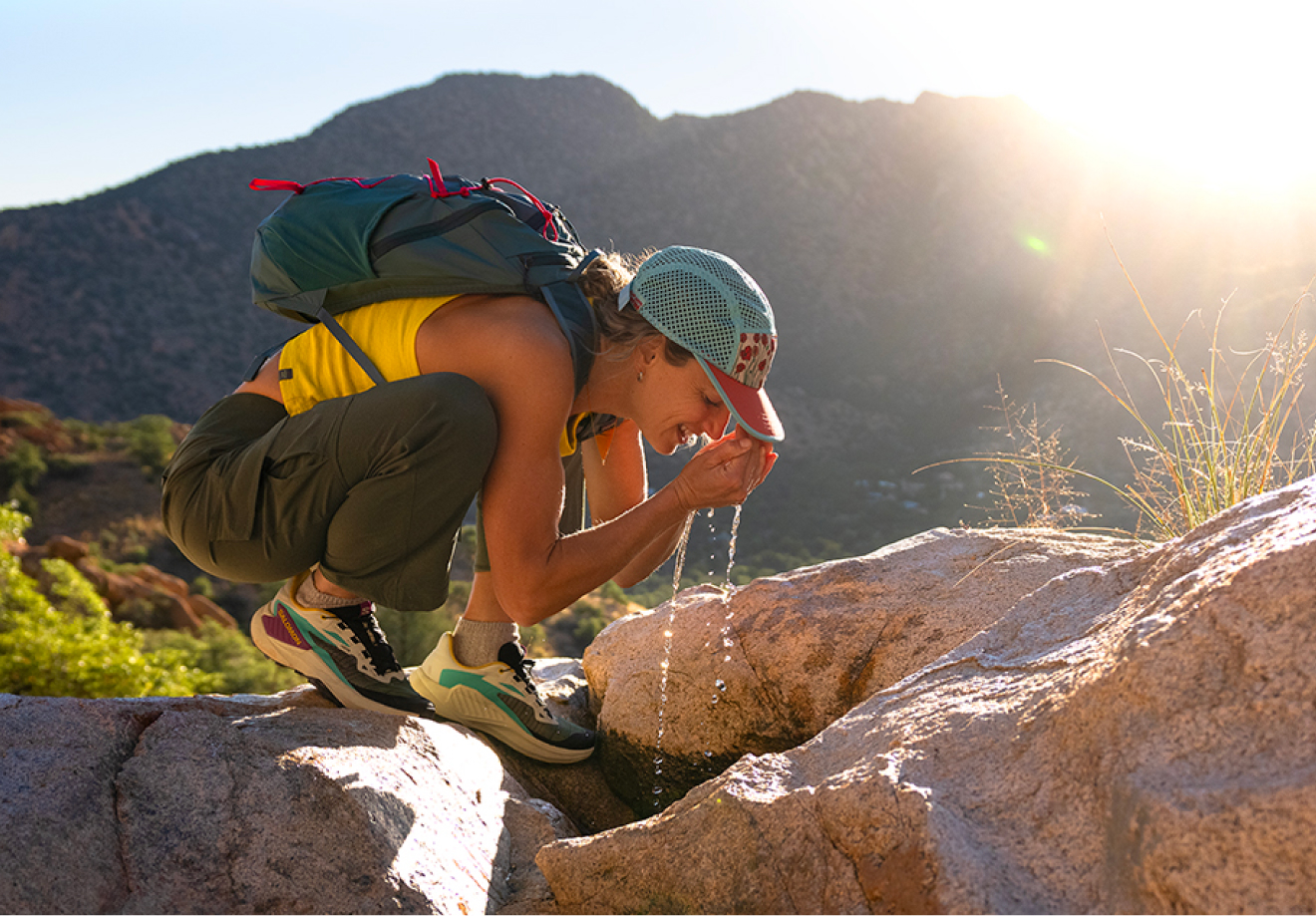
Learn what to look for in women's hiking pants with our expert guide to hiking pant fit, durable fabrics, weather protection, pockets, stretch, UPF sun protection, and trail-ready features that keep you comfortable on every hike and outdoor adventure...
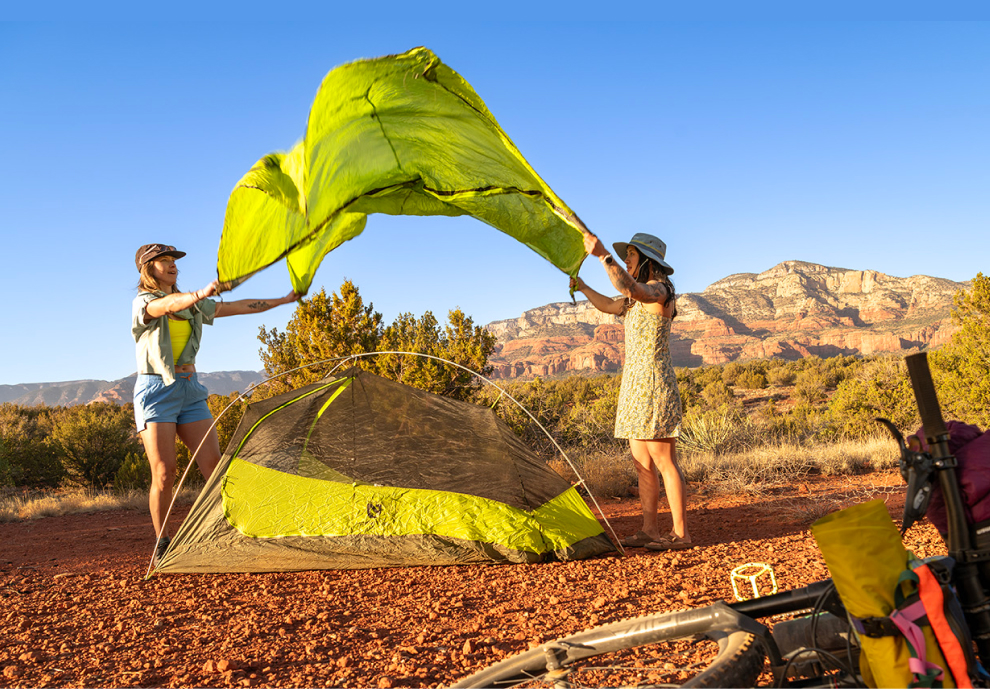
From lightweight daypacks to insulated jackets and head-to-toe layers, this camping essentials guide shows women how to pack smart, stay comfortable, and enjoy the outdoors without compromise.
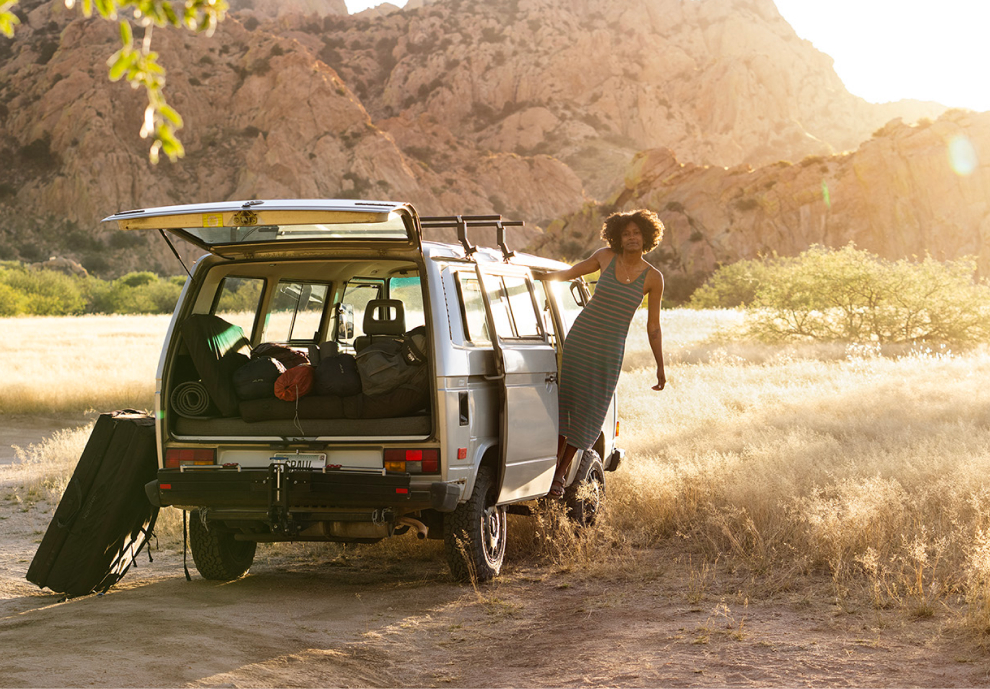
Find the best women’s travel clothing built for carry-on ease and all-day adventure—wrinkle-resistant, lightweight, and ready for flights, cities, and trails. From versatile dresses to packable layers, this gear goes wherever you do.

Find the best hiking pants for petite women with our expert guide to petite hiking pants, cargo hiking pants, fleece-lined winter hiking pants, and trail-ready fits designed with shorter inseams, durable performance fabrics, and all-day comfort for e...