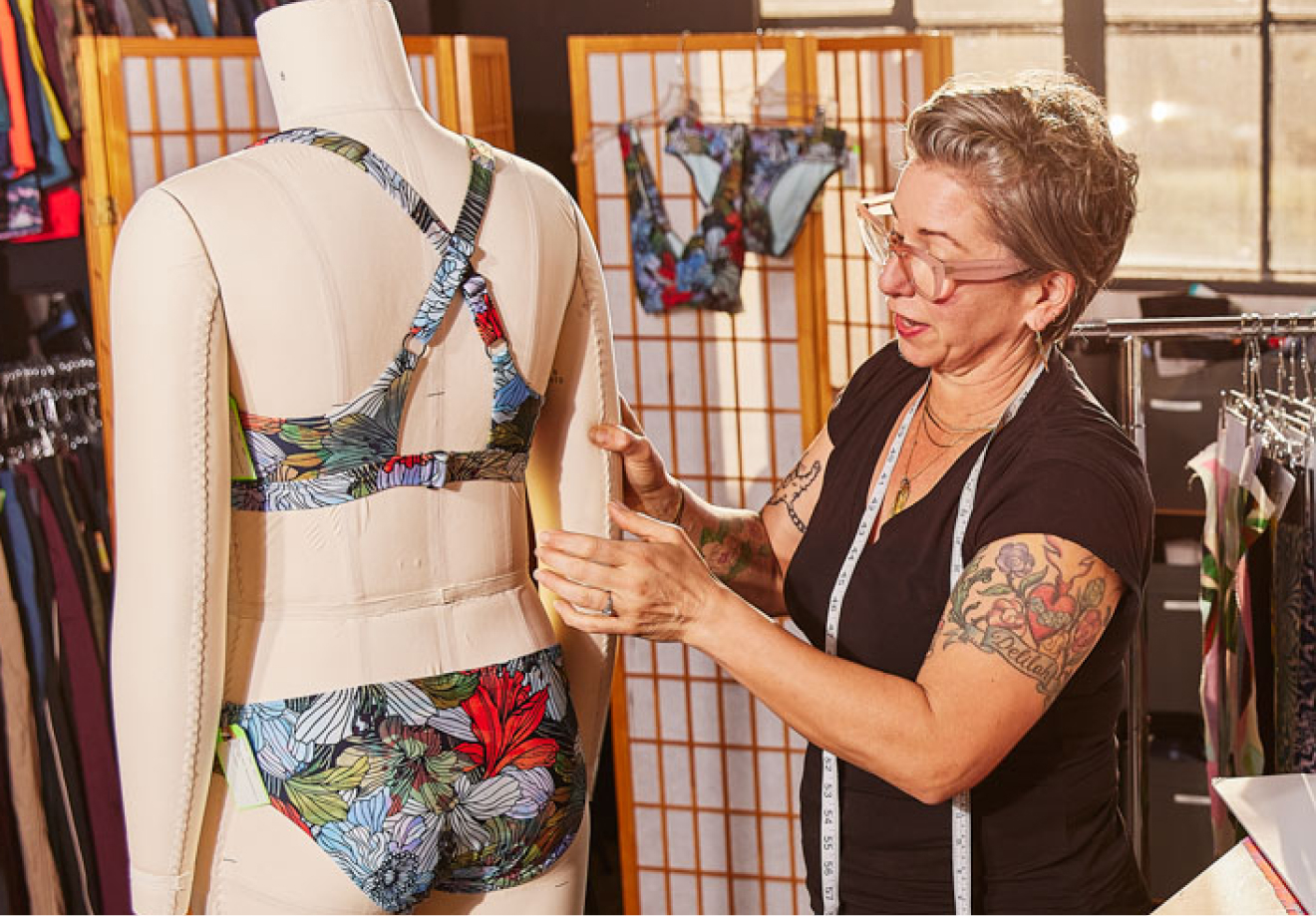
Inside T9
Women's Swimwear Built for Real Bodies & Movement
Discover women-designed swimwear built for active women. Better fit, stay-put support, quick-dry performance, and real-world wear testing.

We are the first ones out the door in the morning, the last ones off the trail at dusk, and the ones patching our gear with duct tape to squeeze out one more season of adventure. We don’t wait for an invitation, and we certainly don’t wait for perfect weather. When the alarm goes off and the wind is howling, we don’t hit snooze—we gear up. That means we demand an awful lot from our activewear. We don't have the patience for waistbands that roll down, seams that chafe, or fabrics that quit halfway through a long-distance effort.
Finding the best running pants for women isn't about chasing the latest trend or looking cute for a coffee run. We aren't here for precious, pastel garments that snag on the first stray branch. We need performance, power, and durability. We need pants that fit our strength, keep up with our daily hustle, and never, ever talk back. Whether we are logging miles on a frozen January morning, navigating a sloppy trail run, or transitioning from a quick 5K directly into a chaotic day of wrangling kids and conquering the boardroom, we require versatile gear that works as hard as we do.
We consider ourselves the ultimate wear-testers for all things outdoor and athletic. We have put hundreds of garments through the wringer, testing them against brutal headwinds, relentless rain, and miles of pavement. We know what works, what fails, and what truly earns its place in our heavy-rotation wardrobe.
If you are ready to stop fighting your clothing and start focusing on your stride, you are in the right place. We are breaking down everything you need to know to confidently choose high-performance running pants that will survive the sweat, the stretch, and the long haul.
Let’s get one thing straight: business is a team sport, and a good workout is the antidote to most of life’s problems. But a good workout can easily be ruined by bad gear. When we are miles from home and deep into a run, our clothing should be the absolute last thing on our minds.
Historically, the athletic apparel industry has treated women's gear as an afterthought—shrinking it down and coloring it pink. But we are fit to run, fit to lead, and fit to win. We require athletic clothing engineered specifically for our bodies in motion. That means we need room for our glutes and thighs, waistbands that respect our natural curves without digging in, and structural integrity that holds up wash after wash.
When we evaluate running pants, we aren't just looking at the spec sheet. We are looking at reality. Can pants transition from a chilly morning track workout to walking the dog without missing a beat? Does it have enough stretch to let us take a massive leap over a muddy puddle? Will the fabric withstand an accidental slide down a scree slope?
We demand sporty, strong, and highly functional pieces. We are busy, and we live a work-to-workout lifestyle. If pants can’t handle sweat, resist abrasions, and offer uncompromising support, it doesn't make the cut. Period.
Before we dive into specific styles and weather conditions, we need to talk about the basic anatomy of a top-tier running pants. Great pants are a sum of its parts, and if even one of these elements fails, the whole garment goes into the donation bin.
The waistband is the control center of any running pants or legging. If the waistband fails, you will spend your entire run yanking your pants up by the hips—a maddening distraction that ruins a good pace. We look for a high-waisted design that offers substantial coverage and compressive support without making us feel like we are locked in a corset.
But a supportive, form-fitting waist isn't enough on its own. We heavily favor pants that include an internal continuous drawcord. A drawstring allows for infinite adjustability, meaning we can customize the fit depending on what we are doing or how much we've layered underneath. If we are carrying a phone in our pocket, that extra weight can pull down even the tightest waistband. A quick cinch of the drawcord locks everything down.
If you've ever stepped into the shower after a long run and yelped as the water hit a raw line of chafed skin, you know the importance of seam construction. We absolutely demand flatlock seams in our running pants. Flatlock stitching means the edges of the fabric are sewn together flat, rather than folded over and protruding into the skin. This eliminates the bulk and friction that causes painful chafing over long distances.
We also look closely at gussets. A gusset is a diamond-shaped or triangular piece of fabric sewn into the crotch seam. It redistributes stress on the fabric, preventing blowouts when we stretch, and drastically reduces the camel-toe effect. Running pants without a gusset are pants we leave on the rack.
We love the feeling of freedom, but when it comes to running gear, we need a little bit of structural discipline. High-performance fabrics typically rely on a blend of synthetic materials, usually anchored by nylon or recycled polyester, mixed with a hefty dose of spandex or elastane.
Spandex provides the critical four-way stretch that allows the pants to move dynamically with our legs while instantly snapping back to its original shape. Without adequate spandex, pants bag out at the knees after one mile and start sagging in the rear. We look for dense, tightly woven stretch fabrics that hold their shape without any back talk.
Sweat is non-negotiable. Therefore, moisture-wicking technology is mandatory. Wicking fabrics work by pulling moisture away from the skin and dispersing it across the outer surface of the garment, where it can evaporate rapidly. This quick-drying action keeps us from freezing in our own sweat when the wind picks up.
Beyond sweat management, we love multi-function pieces that pack extra benefits. UPF ratings (Ultraviolet Protection Factor) are essential for long days outdoors, acting like built-in sunscreen that won't sweat off. And for those of us who travel for races or adventure, wrinkle-free materials mean we can roll our pants into a duffel bag, shake them out in a hotel room, and look entirely put together.
Let's talk about pockets, because this is an area where we refuse to compromise. For far too long, women’s athletic pants were made with either zero pockets or tiny, useless coin slots barely big enough for a single key. We are not interested in carrying our phones in our hands or strapping bulky belts around our waists if we don't have to. We need real, functional storage.
The side drop-in pocket is a game-changer. Located on the outer thigh, these pockets are specifically designed to hold a modern smartphone securely against the leg. Because the pocket sits on the thigh—a relatively stable part of the body during the running stride—bounce is practically eliminated. When we pull on pants with deep, sturdy side pockets, we feel an immediate sense of relief. We can stash our phone, our gels, and even an ID, knowing they won't go flying when we pick up the pace.
While thigh pockets are great for quick access, we consider a zippered pocket absolutely essential for security. Usually situated at the back of the waistband (or occasionally on the side seam), a zippered pocket is our vault. This is where the car key goes. When we are five miles deep into the woods, we need the peace of mind that only a heavy-duty zipper can provide.
The best running pants for women don't just add pockets haphazardly; they engineer them into the compressive structure of the garment. If pants are too loose or the fabric is too thin, adding a phone to a pocket will cause the fabric to swing wildly, pulling the pants down with every step. We test for this vigorously. If the gear can't hold a phone flat against our leg while we sprint, it doesn't get our stamp of approval.
Mother Nature doesn't care about our training schedule, so we have to be prepared to face whatever she throws at us. Having a versatile quiver of running pants means matching your gear to the elements.
When the mercury plummets, standard thin leggings turn into ice packs against our thighs. Cold weather running demands specific thermal solutions. For dry, freezing days, we turn to fleece-lined running tights. A brushed fleece interior traps a thin layer of body heat against the skin while remaining breathable enough to let sweat escape.
But cold is often accompanied by wind, and wind is the true enemy. A biting headwind will cut right through a standard knit fabric, freezing the sweat on your skin. This is where we break out the big guns, like the Patagonia Wind Shield Pants. These brilliant pieces of gear feature specialized wind-blocking panels on the front of the legs, paired with highly breathable, stretchy fabric on the back. It’s a mullet of performance gear—tough armor in the front, breathable stretch in the back. By blocking the wind exactly where it hits you hardest, you conserve energy and stay vastly warmer.
There is a profound difference between a light mist and a torrential downpour. For damp, drizzly days, running pants treated with a DWR (Durable Water Repellent) finish is usually sufficient. DWR causes water to bead up and roll off the fabric rather than soaking in.
However, when we are dealing with serious storms, sloppy trails, or freezing rain, we need dedicated rain pants. Running rain pants have evolved dramatically from the swishy, sauna-like trash bags of the past. Today’s high-performance rain wear uses sophisticated laminates that block external water while still allowing internal moisture (sweat) to escape. When paired with a solid base layer, a good pair of rain pants guarantees you can crush your outdoor miles without bringing a mid-winter slushie home in your clothes.
While many women prefer shorts in the heat, there are plenty of reasons to stick to pants during warm weather running—including brush protection on the trail, sun protection, or simple personal preference.
Warm weather pants must be exceptionally lightweight, ultra-breathable, and heavily focused on moisture-wicking. We look for thin, highly ventilated fabrics that feel like a second skin. Strategic mesh paneling behind the knees or along the calves helps dump excess heat rapidly. In these conditions, dark colors can bake you in the sun, so we often opt for lighter, reflective materials engineered to dry in minutes.
The word "pants" covers a lot of territory in the athletic world. How a garment fits totally dictates how it performs. We categorize our running bottoms into three main silhouettes, each serving a specific purpose in our active lives.
For high-intensity, high-speed, or long-distance efforts, the compressive tight is our reigning champion. By hugging the body tightly from waist to ankle, leggings offer several massive advantages. First, there is zero excess fabric to catch the wind or snag on trail brush. Second, the compression provides muscle support to our glutes, quads, and calves, which some wear-testers swear reduces fatigue on long runs. Third, they eliminate the friction of fabric rubbing against fabric. When we need to go fast and feel utterly locked in, a high-waisted, form-fitting tight is the undisputed answer.
Our pick: Oiselle Pockito Tights
When every mile calls for support and storage, the Oiselle Pockito Tights rise to the occasion. Their high-rise compressive fit stays put through tempo runs, long training days, and race efforts, while seven strategically placed pockets keep your phone, fuel, keys, and other essentials close without adding bulk. Built by a women-owned running brand, they're the kind of performance running tights that let us skip the running belt and focus on the miles ahead.
When the temperatures climb but compression is still non-negotiable, a running knicker offers the same locked-in feel with a little extra airflow. Cropped running tights hit below the knee, making them a favorite for warm-weather runs, shoulder-season training, and runners who want coverage without full-length tights.
The Oiselle Sprinter Pocket Knickers deliver everything we love about compressive running tights in a cooler, cropped silhouette. A lightweight poly/spandex blend provides supportive compression, while seven gear-hauling pockets—including waistband, side, and zip pockets—hold everything from gels to your phone. Whether you're pushing through the final 400 meters or heading straight to post-run snacks at the trailhead, these knickers are built to keep pace without weighing you down.
Not every run is a PR attempt, and not every day requires maximum security lockdown on our legs. Enter the athletic jogger. Joggers offer a slightly looser, more relaxed fit through the thigh and knee, tapering down to a fitted ankle cuff. This ankle cuff is crucial—it keeps the pant leg from flapping around or getting caught in our running shoe.
Joggers are the ultimate work-to-workout staple. We can wear them for a brisk 4-mile neighborhood run, then roll straight into the grocery store or a school pickup without feeling exposed. The looser fit allows for more airflow, making them incredibly comfortable, while the tapered ankle maintains the sporty, functional aesthetic we demand. They are rugged, versatile, and endlessly practical.
Sometimes we need something that sits right in the middle—pants that offer the lightweight durability of a hiking pants but the stretchy freedom of a tight. Hybrid running pants often feature a straight-leg or slightly tapered fit with ankle zippers. The four-way stretch woven fabric is usually tougher and more abrasion-resistant than standard knit leggings, making them ideal for aggressive trail running or bushwhacking. The zippers at the ankle allow us to pull them off over our shoes without hopping around on one foot in the mud.
Because we believe in the power of having the right tool for the job, we don't believe in a "one size fits all" approach to gear. Our closets are stocked with a quiver of options. Here is how we break down the best running pants for women by their ultimate end-use.
When the weather report looks like a practical joke, we reach for our heavy-duty winter defenders. We are talking about pants that combine a brushed fleece interior with a wind-blocking exterior shell. Taking inspiration from legendary gear like the Patagonia Wind Shield Pants, our ideal winter warrior pants are built for the harshest days. It prevents our thighs from going numb in a 20-degree headwind, yet vents excess heat out the back of the knees when we tackle a massive hill climb. If you live in a place where winter lasts half the year, investing in a wind-blocking, cold-weather specific pants is the only way you'll survive the season without going stir-crazy. Our favorite running leggings for cold-weather activities are the Crash Fleece Lined Tights.
When we are staring down a two-hour Sunday long run, comfort and capacity are our only concerns. The Distance Master needs to be a form-fitting tight that acts as a second skin. It must feature zero-chafe flatlock seams, a relentless continuous drawcord, and massive storage capacity. We need deep drop-in side pockets on both thighs (one for the phone, one for nutrition) and a zippered pocket in the back for our house key. The fabric must be fiercely moisture-wicking and quick-drying, because sweating for two hours in pants that don't breathe is a recipe for disaster. When we pull these on, we slide right into the driver’s seat of our training plan.
The trail demands a different kind of toughness. When we are dodging branches, scrambling over rocks, and splashing through creeks, fragile leggings simply won't survive. For this, we look to highly durable, abrasion-resistant options. We look for slightly more relaxed fits or incredibly tough compressive fabrics that offer maximum protection from the great outdoors.
This is the pants for the "Maximizer Mama"—the woman who is doing real life full-time and needs her gear to keep up. The All-Day Hustler is typically an athletic jogger made from a sleek, wrinkle-free, wicking material. It doesn't look overly technical, meaning we can wear it to a casual meeting or a coffee date, but it has the hidden stretch and breathability to handle a spontaneous 5K or a cutthroat game of pickleball. It features generous pockets, a comfortable waistband, and a drape that flatters our strength. It is the ultimate multi-tasker.
We don't melt in the rain, and neither should our gear. The perfect rain pants are lightweight, waterproof, and packable. We use these primarily as an outer shell, pulling them over a thin base layer when the skies open up. The key here is articulation—the knees must be darted or seamed in a way that allows for a full running stride without the rigid waterproof fabric pulling tight across our kneecaps. Ankle zippers are mandatory here, allowing for quick transitions in the parking lot.
We don't do "leisure" for the sake of looking pretty, but we absolutely believe in the power of post-workout lounging. After we've crushed our goals and our muscles are screaming, we need something soft, breathable, and forgiving.Recovery pants are all about comfort—think buttery soft fabrics, loose waists, and zero compression. But because we are who we are, even our lounging pants need to be functional. They still need to wick sweat away from our tired bodies, and they still need pockets, because we are never really off duty.
Understanding pants is only half the battle; understanding how to layer and size them is where the real expertise comes in.
In truly extreme conditions, a single pair of pants might not cut it. This is where the base layer becomes your secret weapon. A good base layer is a thin, skin-tight legging worn underneath a looser jogger or rain pants. The base layer’s only job is to wick sweat directly off your skin and provide a baseline of thermal warmth. The outer pants then handle the wind, rain, and abrasion. We strongly recommend avoiding cotton for your base layer at all costs; cotton traps moisture and loses all its insulating properties the second it gets wet. Stick to synthetic wicking materials or lightweight merino wool.
One of the most frustrating experiences is buying a great pair of pants only to realize the length is completely wrong for your body or your sport.
When pairing pants with your running shoe, pay attention to the cuffs. Tight leggings slide easily into higher socks for a seamless cold-weather barrier. Joggers should taper neatly above the shoe collar to prevent any fabric from rubbing against your heel or getting caught under the sole.
No matter how great a pair of pants looks, it is entirely useless if it falls victim to the "Big Three" athletic gear failures. Here is how we troubleshoot and defeat them.
Chafing happens when wet fabric repeatedly rubs against soft skin, creating microscopic tears that feel like a sunburn. The inner thighs and the groin are the primary danger zones. To prevent this, your running pants must be compressive enough that the fabric doesn't shift against your skin. If the pants are moving, it is rubbing. If it is rubbing, it will chafe. Ensure you have a snug fit through the upper thigh. As mentioned earlier, flatlock seams and a generously sized gusset are absolute dealbreakers here.
We already talked about pocket placement, but bounce can also happen if the pants are made of inferior materials. If your leggings contain less than 10-15% spandex or elastane, they will not have the power to stay locked against your body. When you run, the momentum will cause the fabric to micro-bounce with every step. This not only wastes your energy as you subconsciously tense up, but it also leads directly to sagging. Demand high-spandex content for any high-impact sport.
There is nothing less powerful than having to pull up your pants in the middle of a crowded track. Sagging occurs for three reasons: the waistband is too loose, the fabric has lost its stretch, or the pants are cut too low in the back to accommodate the natural curve of your glutes. Always look for a high-waisted back rise, rely on that internal drawcord to lock the waist in place, and never, ever put your high-performance gear in the dryer (which kills the elastane and ruins the stretch recovery).
We expect our gear to endure a lot, which means we have a responsibility to take care of it. High-performance fabrics are tough against the elements but highly sensitive to aggressive laundry habits. If you want your investment to last through seven winters, you need to follow the rules of special care and feeding.
First, wash cold. Hot water breaks down the synthetic fibers and degrades the elastane that gives the pants its powerful stretch.
Second, absolutely no fabric softener. Fabric softener acts like a coating of wax on your clothes. It might make them feel soft, but it completely clogs the microscopic pores of the technical fabric, instantly destroying its moisture-wicking and quick-drying capabilities. If your athletic gear starts holding onto funky smells, it is likely because fabric softener has trapped the bacteria inside the fibers. Use a sport-specific detergent designed to break down sweat and enzymes.
Finally, air dry whenever possible. We know it takes a little extra time, but the high heat of a tumble dryer will cook the spandex in your pants, leading to premature sagging, thinning out in the thighs, and a total loss of compression. Hang them over a chair or a drying rack; because they are made of quick-drying materials, they will usually be ready to go by the next morning anyway. Treat your gear with respect, and it will support you for years to come.
At the end of the day, the best running pants for women are the ones that make you feel unstoppable. They are the pants that let you move when, how, and where you want to move. They don't restrict you, they don't distract you, and they certainly don't ask you to compromise your power for the sake of looking a certain way.
We believe that the right gear is an investment in your own strength. Whether you are zipping up your wind shield pants to battle a blizzard, pulling on a pair of perfectly tailored joggers for a chaotic day of multi-tasking, or tying the drawcord on your favorite compressive tights for a marathon effort, your clothing should work in total harmony with your body.
We aren't here to sit still. We are here to crash through convention, break a sweat, and get after whatever the day holds. So find the gear that holds up its end of the bargain, secure your keys in that zippered pocket, and get out the door. The trail is waiting, and we are already halfway up the mountain.
Discover women-designed swimwear built for active women. Better fit, stay-put support, quick-dry performance, and real-world wear testing.
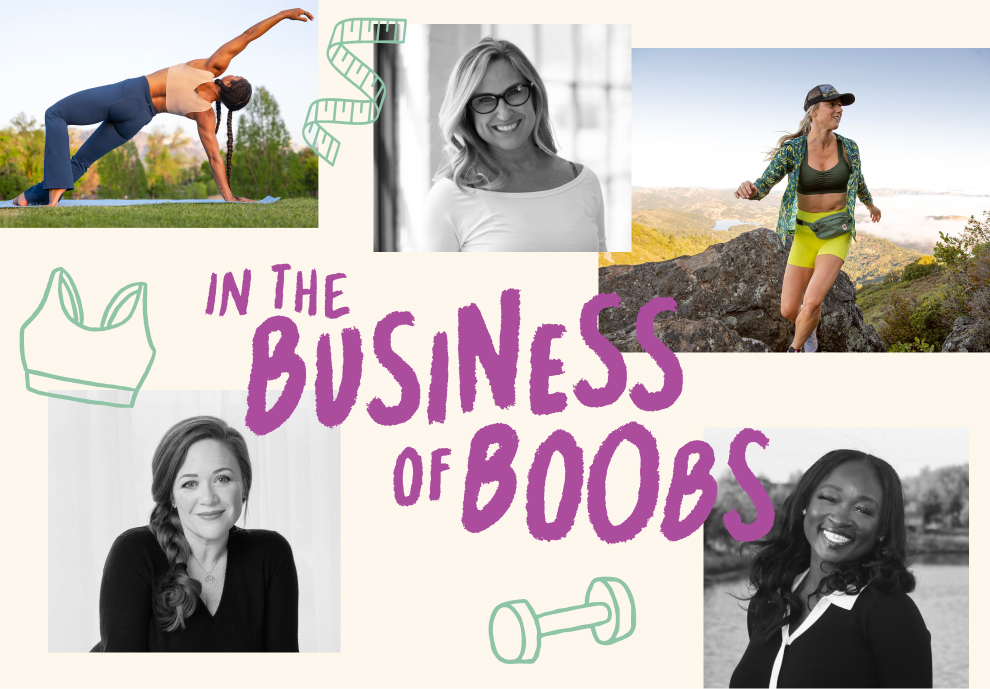
Built by women who run, ride, climb, train, and test gear for a living, these women-owned sports bra brands know what support should feel like. Meet the founders behind the sports bras we trust for every adventure.

Learn what to look for in women's hiking pants with our expert guide to hiking pant fit, durable fabrics, weather protection, pockets, stretch, UPF sun protection, and trail-ready features that keep you comfortable on every hike and outdoor adventure...

We run for ourselves, and our clothes better keep pace. This guide breaks down the best running gear for women—tops, bottoms, bras, shoes, and accessories—so you can hit the road or trail without a hitch.
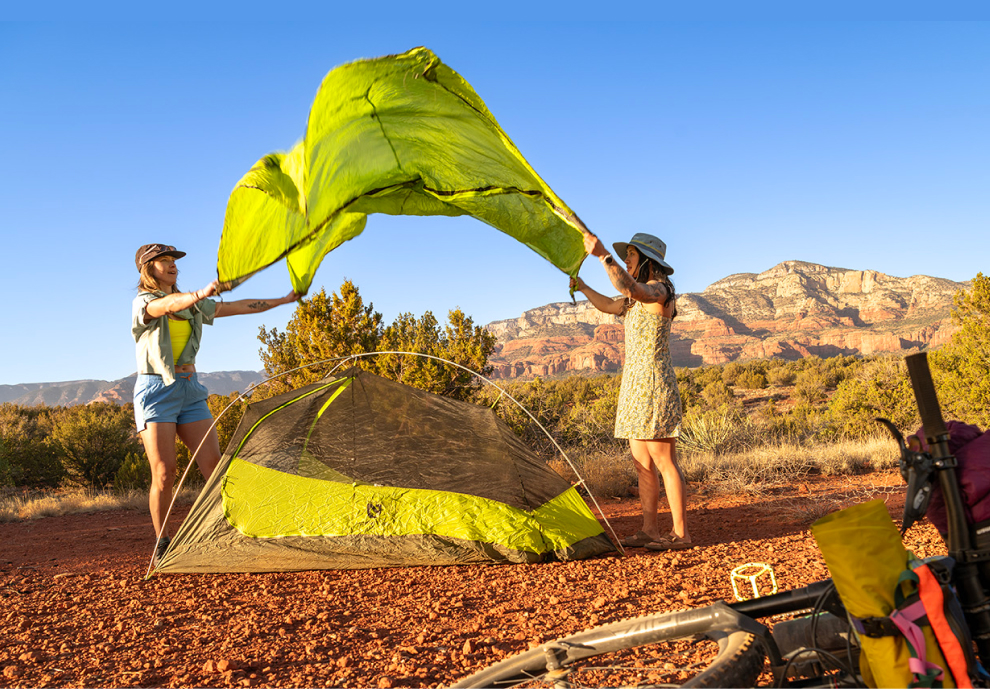
From lightweight daypacks to insulated jackets and head-to-toe layers, this camping essentials guide shows women how to pack smart, stay comfortable, and enjoy the outdoors without compromise.
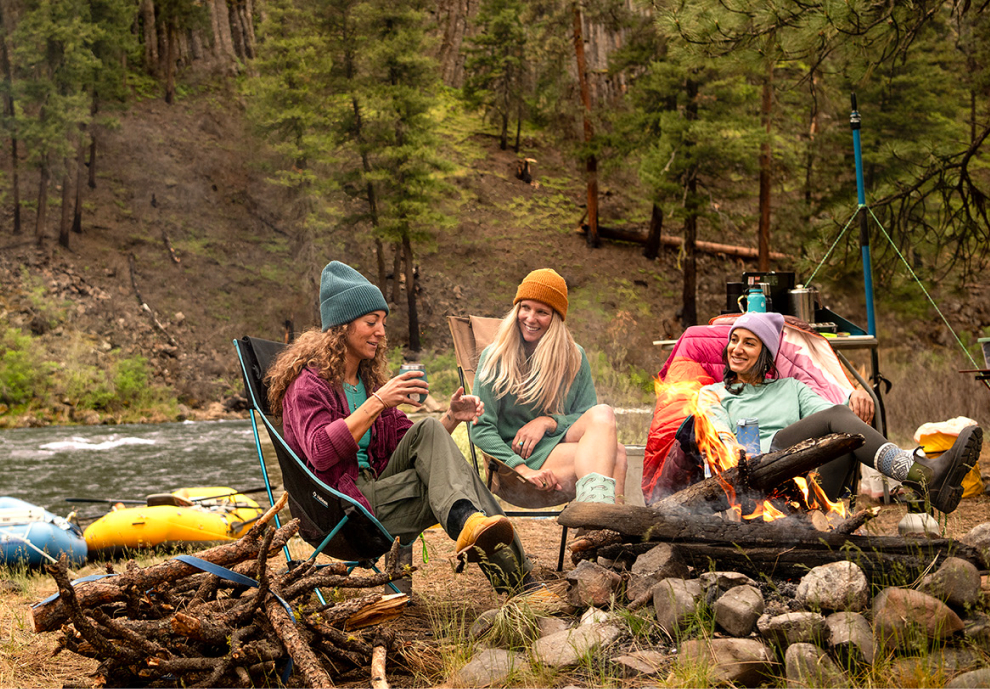
Gear up for the wild with Title Nine’s ultimate guide to what to wear camping—from moisture-wicking base layers and versatile mid-layers to rugged outerwear and trail-ready footwear, every piece is built for women who move hard, stay comfortable, and...