Sort By
Refine By
Women’s Running Gear That Goes the Distance












Featured Categories:
From road to trail, our performance-tested apparel and shoes are built to move, breathe, and keep up with every mile.
Women’s Running Gear: Built for the Long Haul (Not the Catwalk)
We know the drill. You’re up before the sun, sneaking out the back door while the house is still quiet, or you’re squeezing in four miles between a board meeting and school pickup. You don’t run to look pretty. You run to clear your head, to test your limits, and to remind yourself that you can handle whatever chaos the day throws your way.
That’s why we don’t design "cute" jogging outfits. We engineer running gear for women who actually run. We’re talking about gear that withstands friction, sweat, mud, and the occasional tumble. We build for the 5 a.m. darkness, the scorching midday intervals, and the long, slow distance runs that test your soul.
Here at Title Nine, we believe that your gear should be the last thing on your mind when you’re pushing for a PR or just trying to survive a hill repeat. If you’re tugging at a waistband, chafing under an arm, or bouncing uncomfortably, the gear has failed. And we don’t do failure. We do performance, power, and durability. We gear up the maximizers, the movers, and the relentless forward-progress makers.
The Critical Extras: Socks, Hats, and Hydration
You can have the best shoes in the world, but if your socks suck, your run will be miserable. Accessories are the unsung heroes of the running world. They are the difference between a flow state and a blister-filled nightmare.
Socks: The Blister Prevention Unit
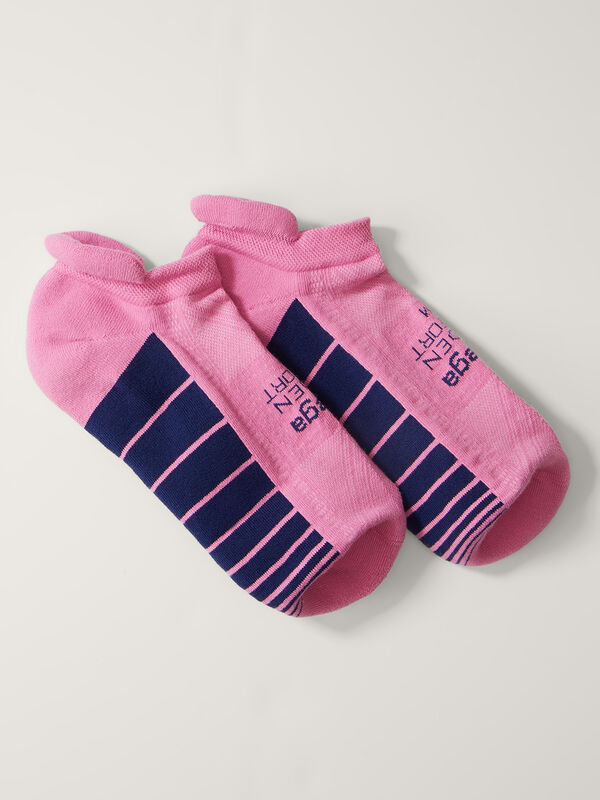
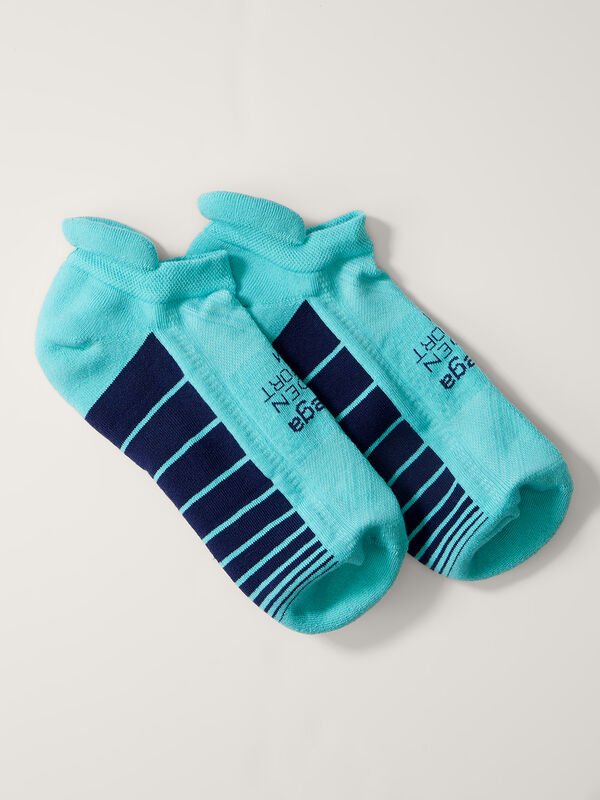
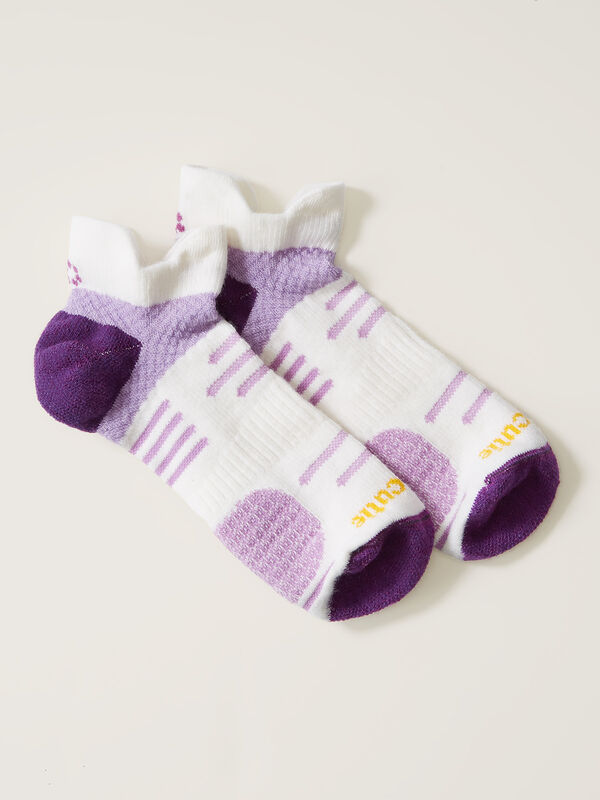
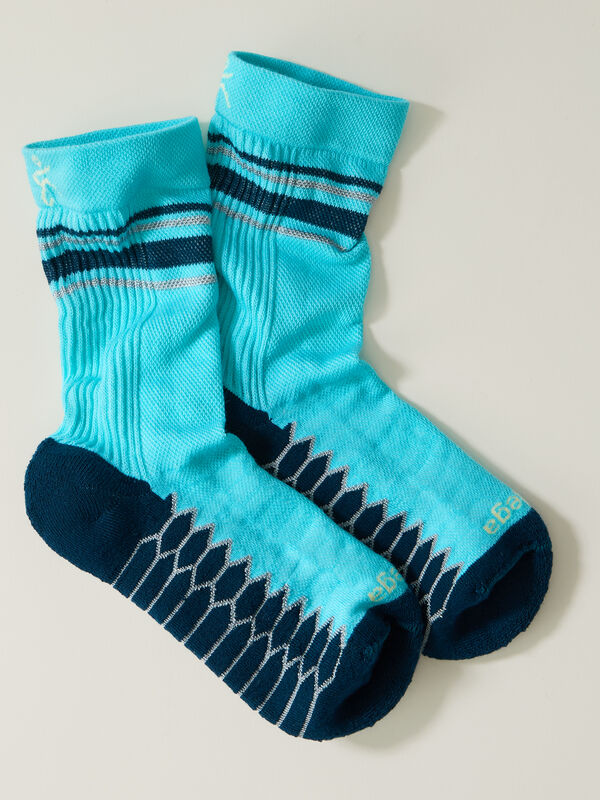
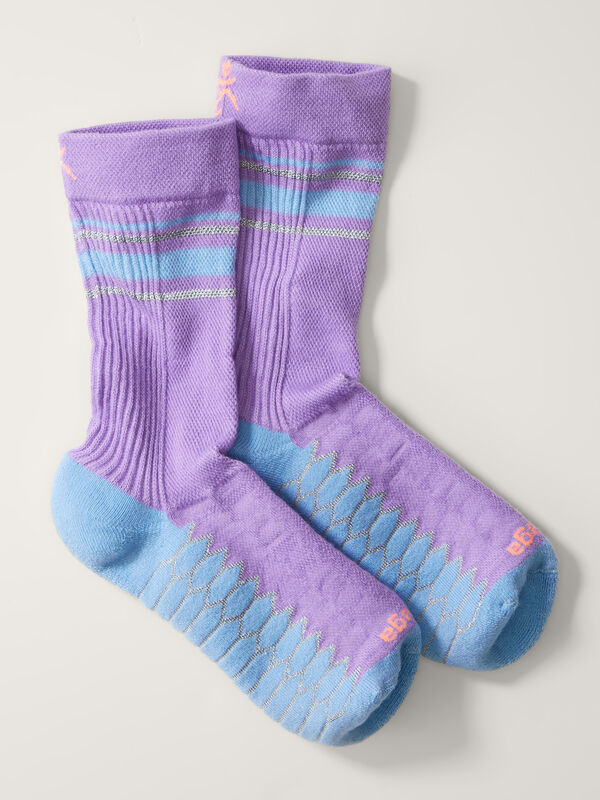
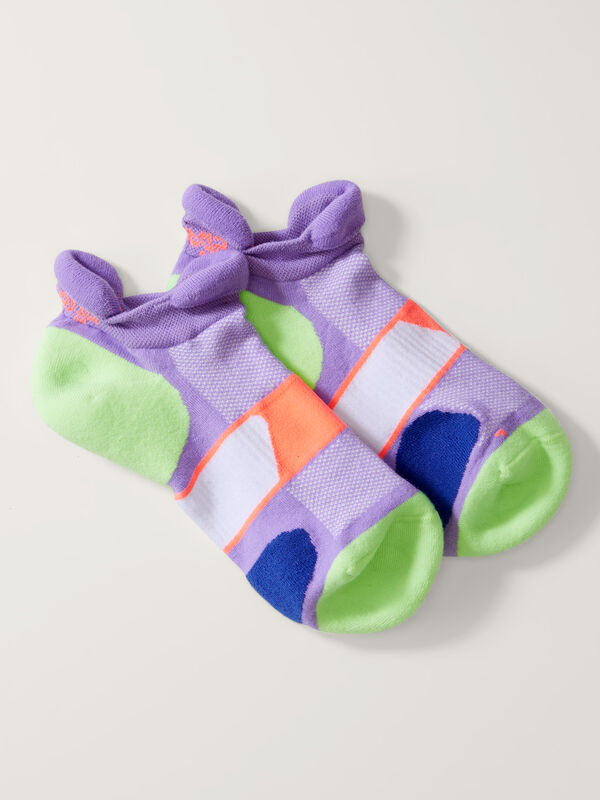
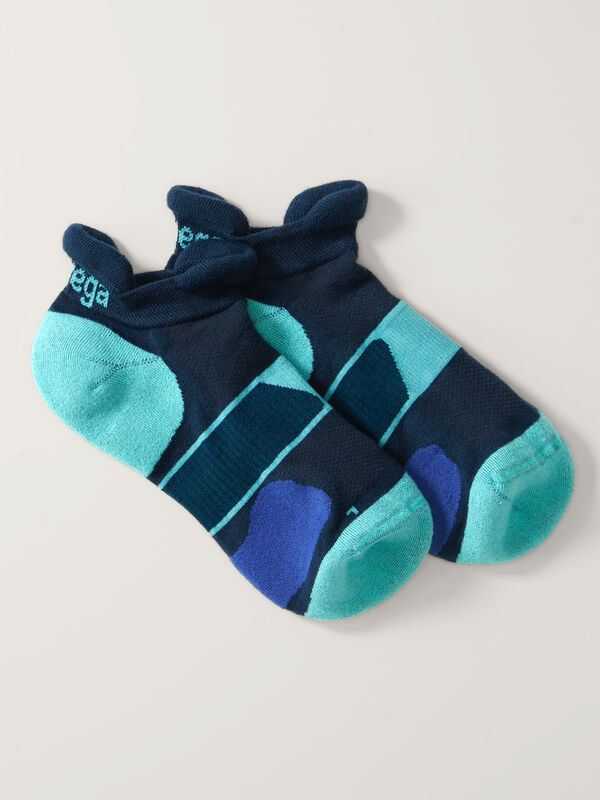
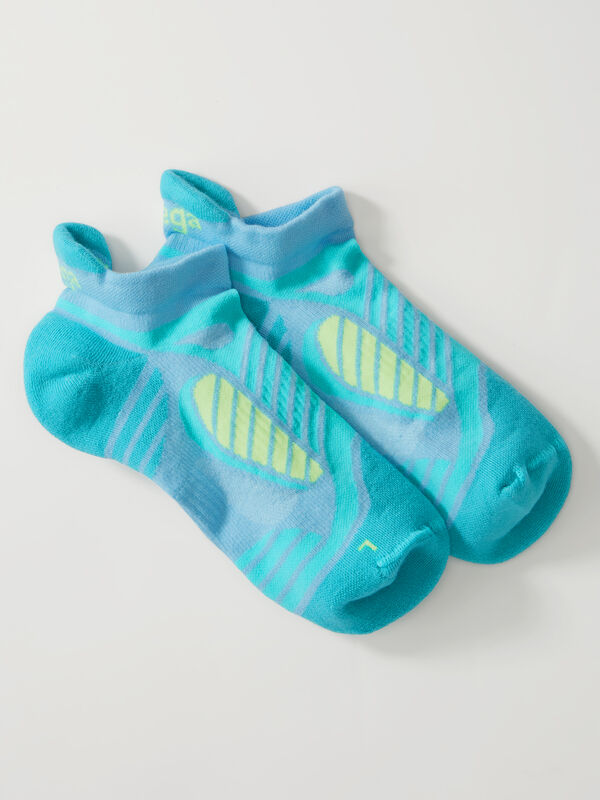
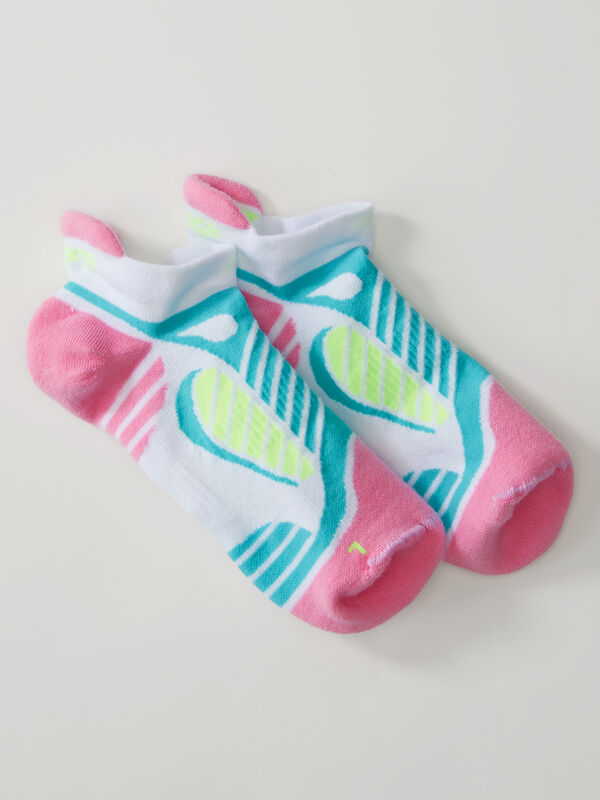
Cotton socks are banned from our drawer. We only run in technical socks made of synthetic blends or merino wool. These materials manage moisture and reduce friction, which is the root cause of blisters. We look for socks with seamless toes to prevent rubbing and arch support bands that keep the sock from bunching up inside your shoe.
Thickness is a preference. Some of us like the cushion of a padded sock for long runs; others prefer the "barely there" feel of a thin liner for speed work. Whatever your preference, the goal is the same: keep the foot dry and the friction low.
Headwear: Function First
A good running hat is a multi-tool. It keeps the sun off your face, the rain out of your eyes, and the sweat from dripping down your forehead. We prefer hats with dark under-bills to reduce glare and adjustable closures that accommodate a ponytail (high or low).
For the winter, a technical headband or beanie is crucial. You lose a significant amount of heat through your head. A moisture-wicking beanie keeps your noggin warm without making it itch. And let’s not forget the "earbud factor"—we look for headwear that doesn’t press your earbuds painfully into your ear canal.
Hydration and Carrying Systems
For the long haul, you need water. But carrying a bottle can throw off your arm swing. We’re fans of ergonomic handhelds that strap to your hand so you don’t have to grip them, hydration belts that sit low on the hips without bouncing, and hydration vests for the ultra-distances.
A good vest distributes the weight across your torso so you barely feel it. It should have pockets for your nutrition, your keys, your phone, and maybe an extra layer. It’s your mobile support station.
Footwear: Where the Rubber Meets the Road
While we talk a lot about apparel, we know the shoe is the anchor. We don't make the shoes, but we curate the best of the best. We look for shoes that align with our philosophy: function over flash.
Finding Your Ride
Running shoes are highly personal. Some of us need the cloud-like cushion of a maximalist shoe to save our joints on concrete. Others need the responsive snap of a lightweight trainer for track Tuesdays. And the trail runners among us need aggressive lugs that bite into the mud and protect against rock strikes.
We recommend rotating your shoes. Using different pairs for different types of runs can extend the life of the shoe and strengthen different muscles in your feet and legs. It’s also a great excuse to have more gear.
The Life of a Shoe
Don’t run your shoes into the grave. Once the midsole foam compresses, the impact protection is gone, even if the upper still looks fine. We track our miles because we know that running on dead shoes is a one-way ticket to injury town. Treat your feet with respect; they carry you everywhere.
How We Test: The Wear-Tester Philosophy
We don’t just buy this stuff; we abuse it. We are our own guinea pigs. Our team is made up of runners, hikers, mothers, and adventurers. When a new piece of gear comes into the office, it doesn’t sit on a hanger. It goes out for a 10K. It gets thrown in the wash with the towels. It gets worn on a school run and a grocery run.
We utilize a rigorous testing standard. If a sports bra claims to stop bounce, we take it on the roughest trail we can find. If a jacket claims to be waterproof, we wear it in a downpour. We rate our gear with brutal honesty because we know you don’t have time for returns or disappointments.
We consider ourselves the curators of the "Best of the Best." We filter out the fluff, the trends that don't work, and the "pink it and shrink it" garbage. We look for gear that solves problems. Does it save time? Does it increase comfort? Does it make us feel powerful?
Running Gear Checklist: The Essentials
To help you navigate the options, here is a quick breakdown of what you need based on how you run.
The "I Squeeze It In" Runner (3-5 miles, 2-3 times a week)
-Bra: High-impact encapsulation bra. You need to get dressed fast and move fast.
-Top: Short-sleeve synthetic tee. Versatile for gym or road.
-Bottom: 5-inch shorts or capris with at least one pocket for a key.
-Shoes: reliable neutral cushion daily trainer.
-Accessory: A good hat to hide the "I haven't showered yet" hair.
The "Weekend Warrior" Trail Runner (Long miles, dirt, and vert)
-Bra: Maximum support compression bra. Uneven terrain means unpredictable movement.
-Top: Merino wool blend tank or tee. Natural temperature regulation for changing elevations.
-Bottom: Durable trail shorts with abrasion resistance or tights with reinforced panels.
-Shoes: Trail runners with aggressive tread and rock plate protection.
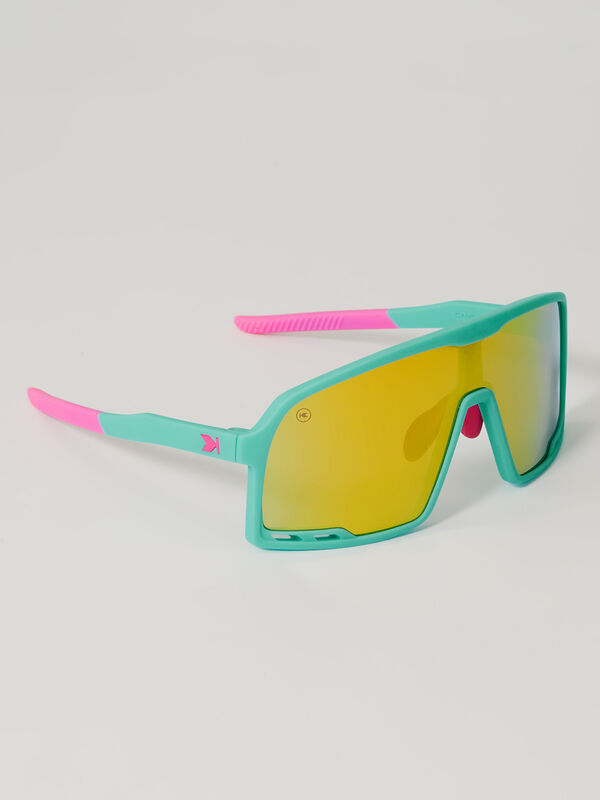
-Accessory: Hydration vest. You need water, snacks, and a space for your trash. Also: good sunglasses.
The "All-Weather" Commited Runner (Marathon training, rain or shine)
-Bra: The "Last Resort" level support. No chafing allowed over 20 miles.
-Top: Layering system. Base layer + vest + windbreaker.
-Bottom: Thermal tights with side pockets for gels/phone.
-Shoes: Rotating cast. One pair for speed, one for distance, one for recovery.
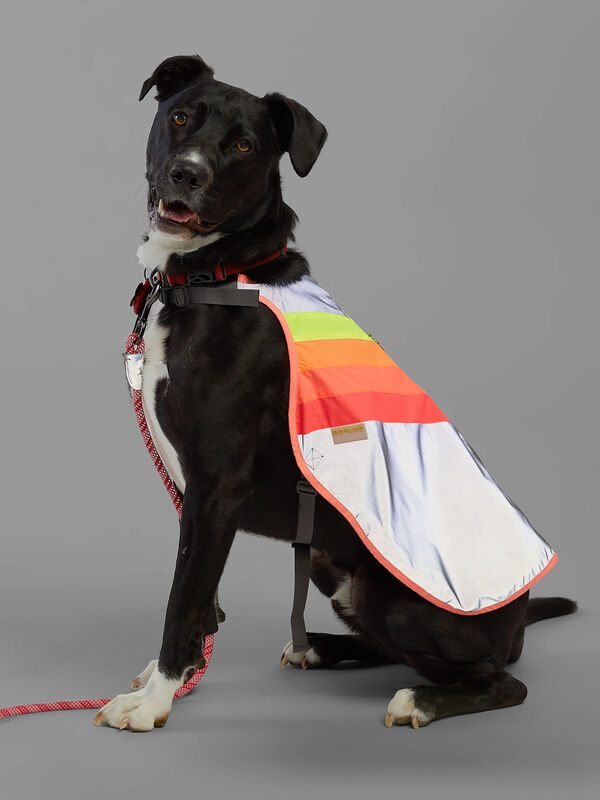
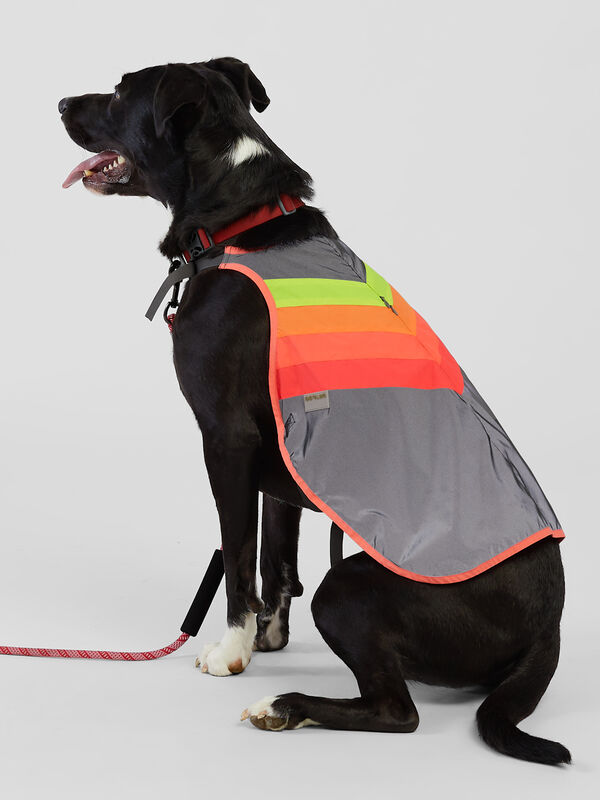
-Accessory: Anti-chafe balm (everywhere), reflective vest for night runs, and high-quality wool socks.
Common Questions We Get (And Our Honest Answers)
Q: Do I really need specific "running" socks? A: Yes. Absolutely. 100%. Cotton socks hold moisture against your skin, softening it and causing friction blisters. Technical socks move that moisture away. It’s the cheapest upgrade you can make that has the biggest impact on your comfort.
Q: How often should I wash my bra? A: Ideally? Every time you sweat in it. Salt crystals from sweat act like little knives on the spandex fibers, breaking down the elasticity. If you want that bounce-free life to last, rinse it out. And never, ever put it in the dryer. Heat kills spandex.
Q: Is expensive gear really worth it? A: We believe in value. Cheap gear that chafes, smells, or falls apart after a month is expensive in the long run. High-quality gear lasts for years (we have shorts that are legal to vote they’re so old). You pay for the engineering, the fabric technology, and the durability. It’s an investment in your own comfort and performance.
The Final Mile
Running is a simple sport. Left foot, right foot, repeat. But the simplicity of the act shouldn't be confused with a lack of demand on the body. It is high-impact, high-intensity, and highly rewarding.
We are here to support that journey. We aren’t interested in trends that fade or fast fashion that ends up in a landfill. We are interested in gear that becomes a trusted partner in your adventures. The shorts you wear when you cross your first finish line. The jacket that keeps you warm on the summit. The bra that lets you forget you have boobs for an hour.
That’s the Title Nine difference. We don’t just sell to the active woman; we are the active woman. We know the grit it takes to get out the door, and we honor that grit with gear that is up to the task.
So, grab your gear. Lace up your shoes. The road is waiting, and you’ve got work to do. We’ll se