Sort By
Refine By
Women's Petite Pants




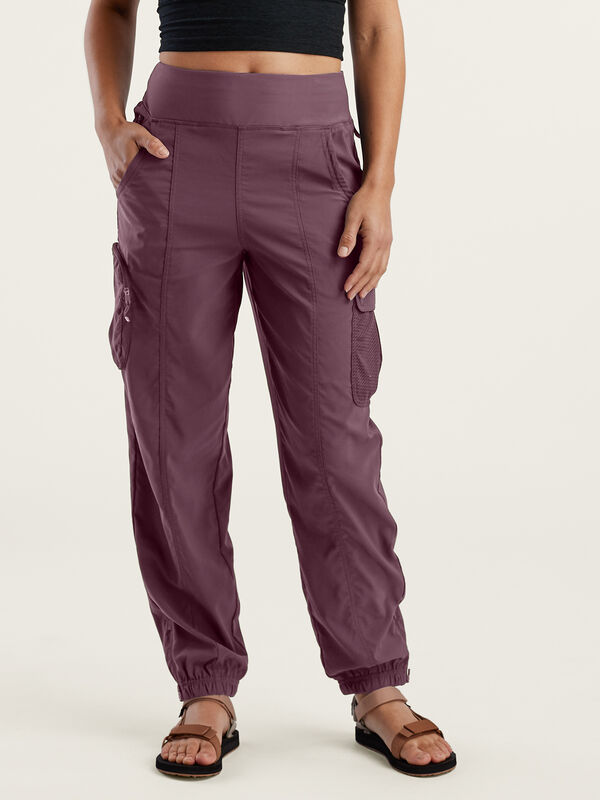
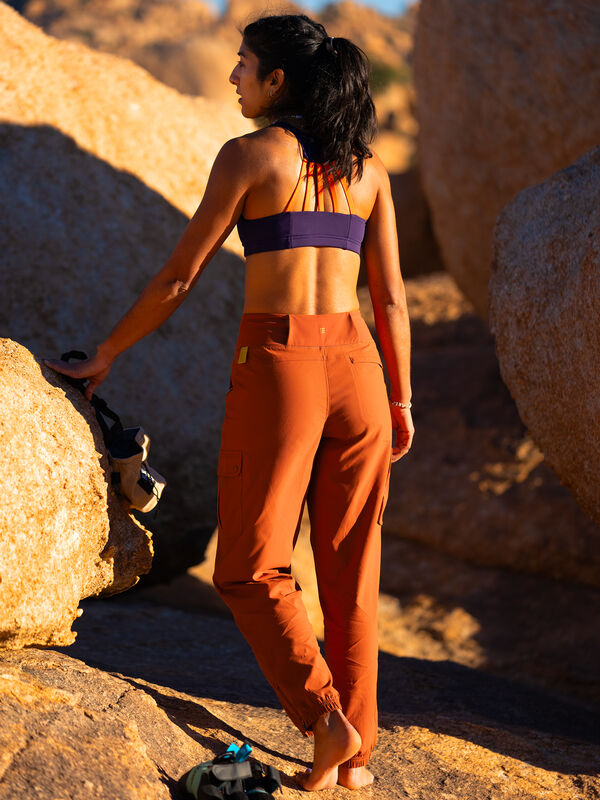


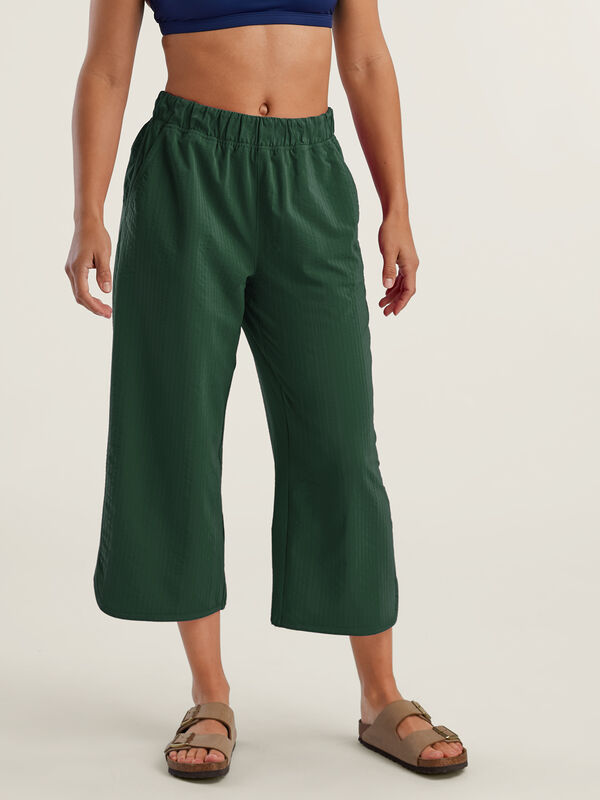
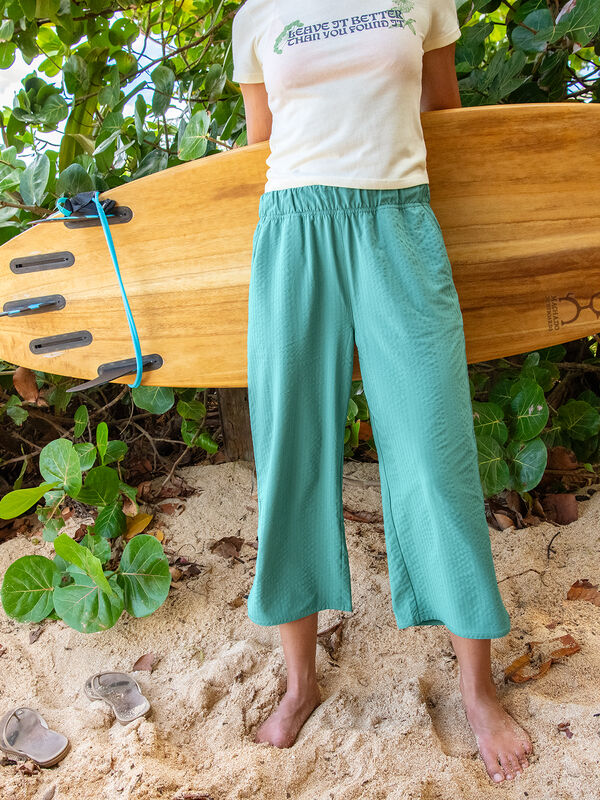












Featured Categories:
- Bottoms Finder
- Shorts
- Pants
- Leggings & Tights
- Joggers
- Capris
- Hiking Pants
- Long Shorts
- Wide Leg Pants
- Jeans & Performance Denim
- Cold Weather Pants
- Bootcut & Flare Pants
- Base Layers
- Women's Hiking Capris
- Women's Hiking Shorts
- Corduroy Pants
- Running Shorts
- Corduroy Shorts
- Athletic Shorts With Pockets
- Barrel Pants
- Black Leggings and Tights
- Casual Pants
- Casual Winter Pants
- Cropped Leggings
- Dogtown Shorts
- Flare Leggings
- Fleece Lined Pants
- High Rise Leggings
- High Rise Pants
- High Waisted Shorts
- Hiking Joggers
- Hiking Leggings
- Insulated Pants
- Long Pants
- Overalls
- Petite Snow Pants
- Leggings with Pockets
- Quick Drying Pants
- Rain Pants
- Running Leggings
- Snow Pants and Ski Pants
- Travel Pants
- Warm Yoga Pants
- Wide Leg Cropped Pants
- Winter Hiking Pants
- Winter Joggers and Sweatpants
- Winter Leggings
- Ankle Pants
- Jean Shorts
- Petite Hiking Pants
- UPF Pants
- Yoga Pants
- Women's Cargo Pants
Petite Pants for Women
The Ultimate Guide to Women's Petite Pants: Gear That Fits Our Hustle
We know the drill. We find a pair of athletic pants that promises the world—durable, wicking, wrinkle-free, ready for the trail or the track. We pull them on, ready to conquer the day, only to find three extra inches of fabric pooling around our ankles. Suddenly, our fierce, forward momentum is halted by a hem that’s dragging through the mud, catching on our bike chain, or tripping us up on the pickleball court. For too long, the activewear industry’s answer to petite sizing was just telling us to buy capris and call them full-length, or expecting us to be best friends with our local tailor.
We say no more. We demand gear that works as hard as we do, right off the rack. We don’t have time to hem pants when there are trails to crush, miles to log, and life to tackle. Whether we are gearing up for a marathon, a weekend camping trip, or just surviving the daily chaos of work and family, we need women's petite pants that actually fit our strong, capable bodies.
Finding the best petite athletic pants isn't about looking cute; it's about performance, power, and safety. When our gear fits, we can move with confidence. When it doesn't, we're distracted. In this comprehensive guide, we are breaking down everything you need to know about petite activewear. We’ll explore what true petite sizing means, how to find the perfect inseam, which styles work best for our proportions, and how to build a wardrobe of bottoms that never quit.
What Exactly Does "Petite" Mean?
One of the most common questions we hear is: Is 5'2" considered petite for a woman? The short answer is yes. In the apparel world, "petite" generally refers to women who are 5'4" and under. But here is where it gets complicated—and where a lot of brands get it completely wrong.
Petite is not a synonym for small. It is a matter of proportion. A woman can be a size 2 or a size 16 and still need petite sizing. When we talk about true women's petite pants, we are not just talking about chopping two inches off the hem of a standard pair of pants. If a brand simply shortens the leg, the rest of the pant’s architecture completely falls apart.
Here is what happens when standard pants are just chopped shorter:
-The Knee Placement is Wrong: Athletic pants, especially those designed for running, hiking, or climbing, often have articulated knees or specific seam placements to allow for maximum range of motion. If you are 5'2" wearing a standard pant, that articulated knee is going to hit you halfway down your shin. That restricts movement and defeats the purpose of functional design.
-The Rise is Too High: A standard high-rise waistband might comfortably hit a taller woman at the belly button. On a petite frame, that same high-rise might swallow our ribs. True petite athletic pants adjust the rise so the waistband sits exactly where it is supposed to—providing support without suffocating us.
-The Pockets are Misaligned: We need pockets. Deep, functional pockets for our keys, our phones, and the random rocks our kids hand us on a hike. But if the pocket placement is designed for a longer leg, reaching into those pockets feels awkward and unnatural.
When we design and test petite pants, we are evaluating the entire geometry of the garment. The waist, the hip, the rise, the thigh, and the inseam must all work together in harmony for a shorter frame. That is the only way to ensure the pants deliver the power, stretch, and durability we need for our active lives.
The Anatomy of the Perfect Petite Athletic Pant
To truly understand what makes a pair of petite pants trail-ready and workout-approved, we have to look under the hood. We don't just throw on any old pair of sweatpants. We need technical, performance-driven gear. Here are the critical components we look for when wear-testing petite activewear.
The Rise: High-Rise vs. Mid-Rise
The rise of a pant is the distance from the middle of the crotch seam to the top of the waistband. For petite women, this measurement makes or breaks the fit.
-Petite Mid-Rise: This is often the sweet spot for many of us. A true petite mid-rise will sit comfortably just below the natural waist. It allows for deep breathing during a heavy lift or a steep ascent without rolling over or digging in.
-Petite High-Rise: We love a high-rise for yoga, running, and intense gym sessions because it offers a locked-in, secure feeling. However, a petite high-rise must be proportionally scaled down. It should hug the natural waist securely, providing support without creeping up to our sports bras.
The Inseam: Finding Your Magic Number
The inseam is the measurement from the crotch seam down the inner leg to the hem. If you've ever asked, What pants to wear if you have short legs?, the answer starts with knowing your exact inseam. For a standard pair of women's pants, the inseam is typically 30 to 32 inches. For petite women, a full-length pant usually requires an inseam of 26 to 28 inches.
We often hear questions like, What size is 27 petite in women's? or What size is 27 in female pants? This is usually a point of confusion between waist sizing (like a 27-inch waist, which roughly equates to a size 4) and inseam length (a 27-inch inseam). In the context of petite pants, a 27-inch inseam is often the holy grail for a full-length fit on a 5'2" frame. It provides enough length to cover the ankle without bunching up over our hiking boots or running shoes.
The Waistband: No Slips, No Digs
Whether it is a wide, flat yoga-style waistband, a sturdy drawstring, or an elastic pull-on design, the waistband must stay put. When we are miles deep into the woods or sprinting down the track, the last thing we want to do is yank up our pants. A strong, well-constructed waistband with a continuous drawcord ensures our pants stay exactly where we put them, no matter how hard we push the pace.
Pockets: Non-Negotiable Utility
We are fiercely protective of our pockets. Fake pockets are an insult to our utility. A great pair of petite athletic pants will have strategically placed pockets that do not add bulk to a shorter frame. We look for streamlined, zippered stash pockets on the thigh or secure drop-in pockets on the waistband that can securely hold a phone without dragging the pants down.
Breaking Down the Styles: What Works for Petite Frames
Not every style of pant works for every sport, and certain silhouettes require specific engineering to work on a petite frame. Here is a breakdown of the styles we rely on, and how to choose the right one for your specific flavor of adventure.
1. Petite Leggings: The Ultimate Second Skin
Leggings are the workhorse of our athletic wardrobe. From marathon training to tackling the grocery run, a solid pair of petite leggings is essential.
-The Fit: We need compression that supports our muscles without restricting our stride. A petite legging should hit right at or slightly above the ankle bone. If it bunches at the bottom, it's not a true petite, it's a regular legging masquerading as one.
-The Function: Look for wicking, breathable fabrics with a high spandex content for four-way stretch. When we are sweating buckets on a summer trail run, we need fabric that pulls moisture away from the skin and dries in a flash.
2. Petite Joggers: Tapered and Trail-Ready
Joggers are incredibly versatile, but they can be a nightmare for petite women if they aren't cut right.
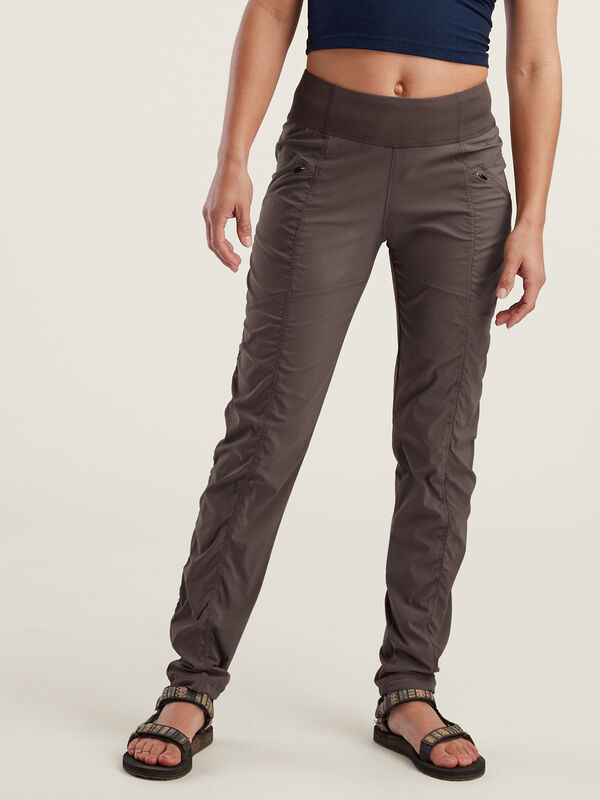
-The Fit: A jogger is defined by its relaxed fit through the leg and a tapered, gathered cuff at the ankle. If a standard jogger is worn on a petite frame, that ankle cuff ends up ballooning around the mid-foot, creating a sloppy look and a tripping hazard. A true petite jogger tapers exactly at the ankle, providing a streamlined, sporty profile.
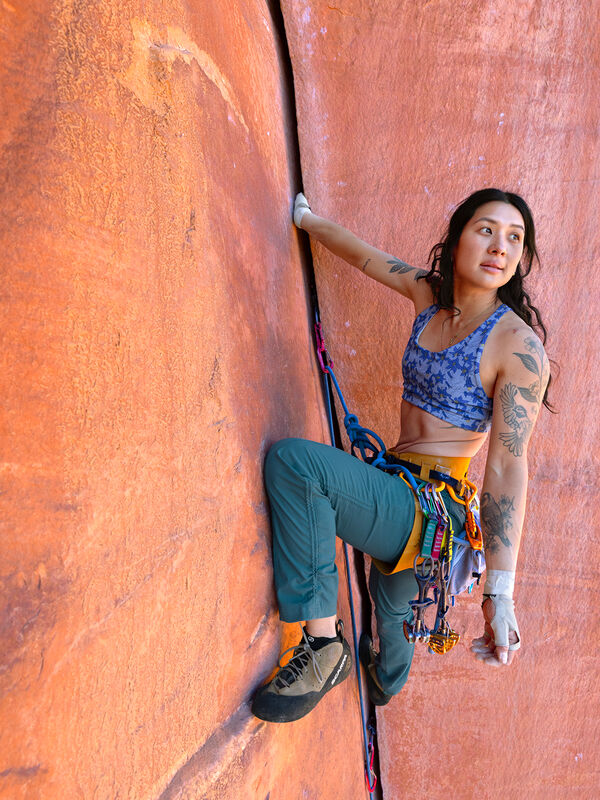
-The Function: We love joggers for climbing, bouldering, and travel. They offer more breathing room than leggings, and a durable, abrasion-resistant fabric can withstand scraping against granite or navigating crowded airport terminals.
3. Petite Straight-Leg Pants: Versatility Defined
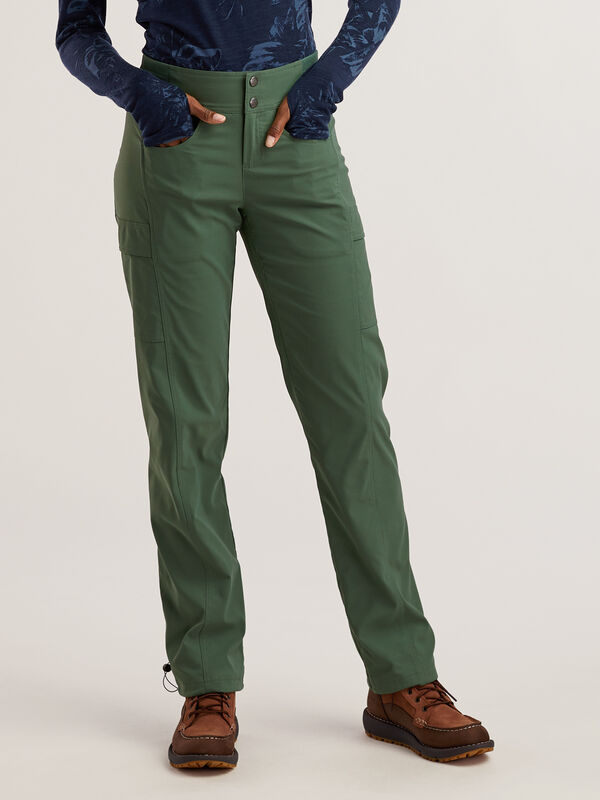
If you need a pant that transitions seamlessly from the office to the outdoors, the straight-leg pant is your best ally.
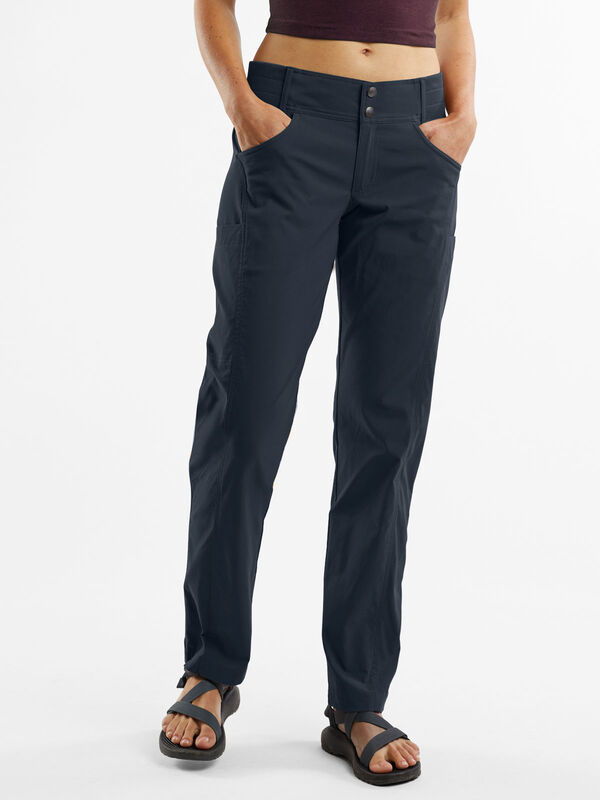
-The Fit: A straight-leg pant falls directly from the knee to the hem without tapering or flaring. On a petite frame, the hem must be precise. It should graze the top of your shoe. Too long, and it looks messy; too short, and it looks like you’ve outgrown them.
-The Function: Constructed from strong, stretchy woven fabrics, a functional straight-leg pant sheds water, repels stains, and offers UPF protection. They are the ultimate "do-it-all" gear for the woman who refuses to slow down.
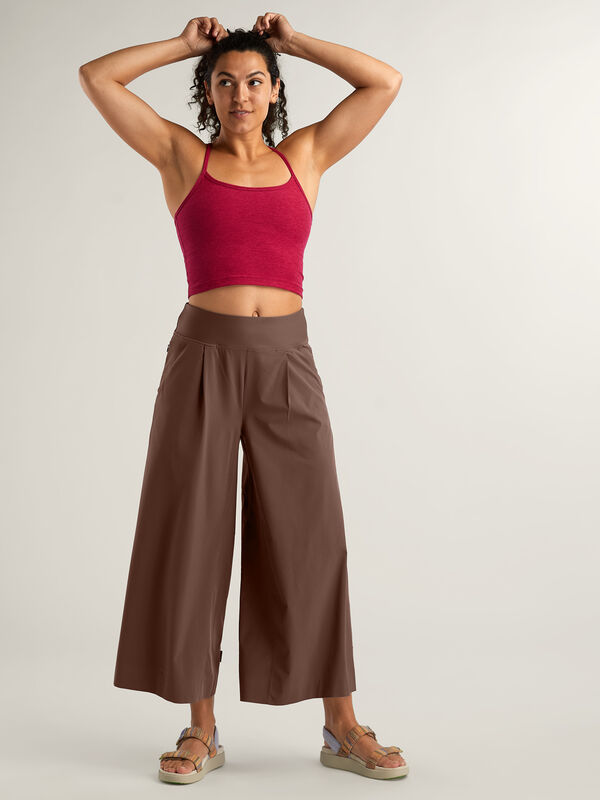
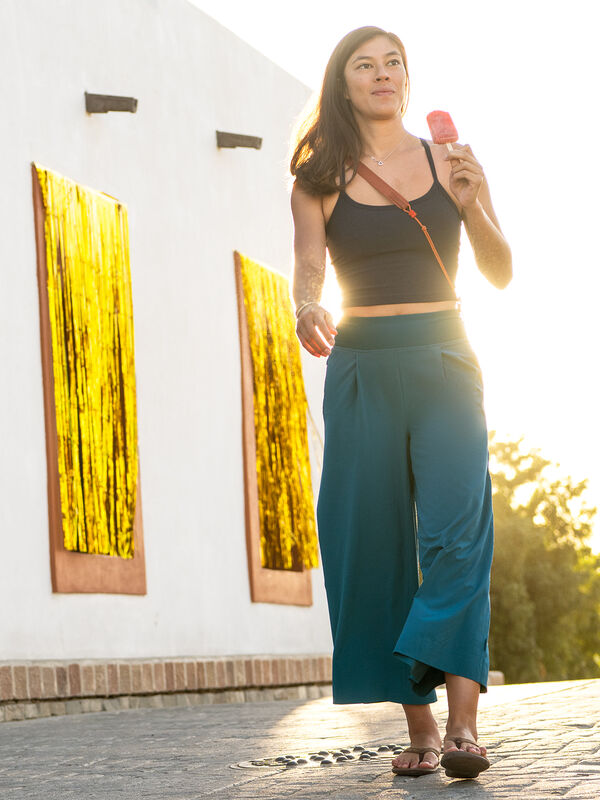
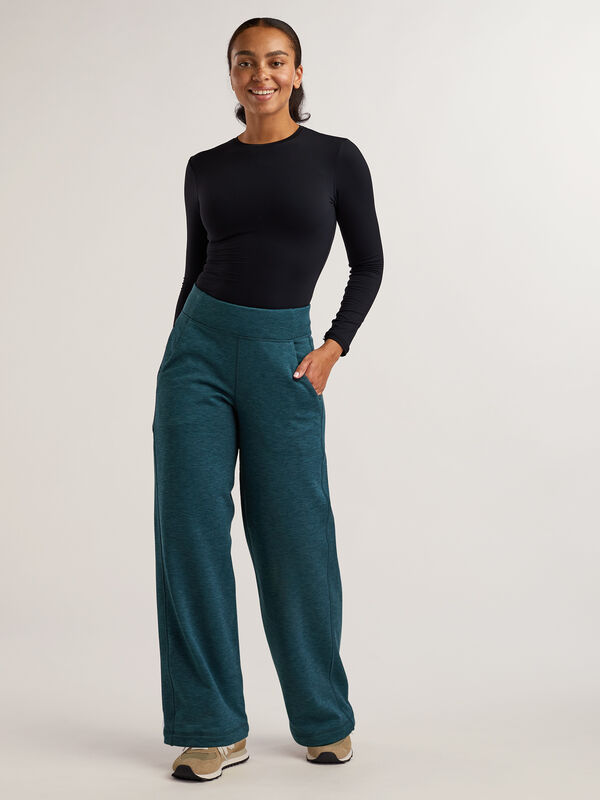
4. Petite Wide-Leg and Flare Pants: Bringing the Power
Wide-leg and flare pants are incredibly comfortable and offer fantastic mobility, but they are notoriously difficult for shorter women to pull off without dragging the hems.
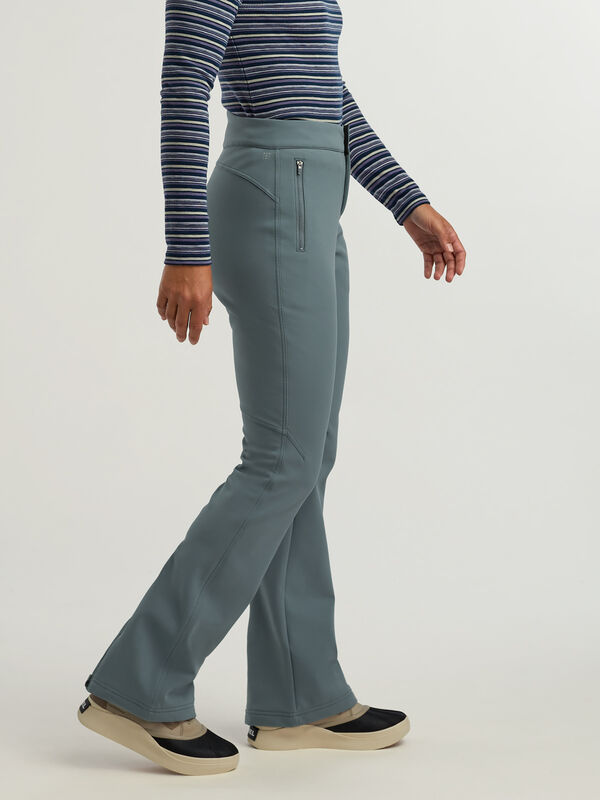
-The Fit: A petite flare or wide-leg pant must be proportionally tailored. The flare should start just below the knee—if the knee placement is off, the flare starts too low and throws off the entire look and feel. The hem should clear the ground by a fraction of an inch when wearing your standard athletic shoes.
-The Function: We love a sturdy, stretchy bootcut or wide-leg pant for hiking and winter sports. They easily accommodate hiking boots or layers, and when made with durable, weather-resistant fabric, they protect us from the elements.
5. Petite Shorts and Capris: When Full Length is Too Much
Sometimes it's just too hot for pants. While capris used to be the default "solution" for petite women wanting full-length pants, they actually serve their own distinct purpose. A petite capri should hit mid-calf, avoiding the widest part of the calf muscle for optimal comfort. Petite athletic shorts need the right inseam (usually 3 to 5 inches) so we can run, lunge, and jump without chafing or flashing the world.
Performance Fabrics: The Engine of Our Gear
We can have the best-fitting petite pants in the world, but if they are made out of cheap, flimsy material, they won't survive our lifestyle. We demand fabrics that endure. We aren't lounging; we are out there getting dirty.
-Wicking Power: Sweat is inevitable. When we are pushing our limits, our body's cooling mechanism goes into overdrive. We need performance fabrics (usually nylon or polyester blends) that aggressively wick moisture away from our skin and push it to the surface of the fabric to evaporate.
-Stretch and Recovery: A pant that stretches is good; a pant that recovers is essential. If we do a hundred squats on Tuesday, we don't want baggy, saggy knees on Wednesday. High-quality spandex blends ensure our gear holds its shape, day after day, wash after wash.
-Durability and Abrasion Resistance: We slide down rocks, we crash through brush, and we slide onto home plate. Our pants need to be tougher than the obstacles we face. Dense, stretch-woven fabrics offer incredible durability against snags and tears.
-UPF Protection: We spend hours under the sun. Built-in UPF (Ultraviolet Protection Factor) in our clothing acts like sunscreen that never sweats off, keeping our skin protected during long days on the water or the mountain.
-Wrinkle-Free Travel: For the woman who packs her life into a single carry-on, wrinkle-free materials are a lifesaver. We want to pull our pants out of a stuffed duffel bag, shake them out, and hit the ground running.
How to Measure Yourself for the Perfect Fit
To bypass the frustration of ordering and returning, you have to know your exact measurements. Here is how we measure ourselves to ensure we get the right fit the first time.
Step 1: Find Your Inseam Grab your absolute favorite, best-fitting pair of pants. The ones that hit your ankle exactly right. Lay them flat on the floor. Take a tape measure and measure from the crotch seam all the way down the inside of the leg to the bottom hem. That number is your ideal inseam. For most petite women, this will fall between 26 and 28 inches.
Step 2: Measure Your Natural Waist Forget where your low-rise jeans sit. Find your natural waist, which is usually the narrowest part of your torso, just above your belly button. Keep the tape measure comfortably snug, not tight.
Step 3: Measure Your Hips Stand with your feet together and measure around the fullest part of your hips and rear. This measurement is crucial for athletic pants, as you need enough room to squat, lunge, and climb without the fabric pulling or restricting.
Step 4: Check the Brand’s Size Chart Never assume that a size 6 in one brand is a size 6 in another. Always cross-reference your measurements with the specific brand's petite size chart. Pay close attention to their stated inseam lengths for petite sizes.
Real-Life Scenarios: Why Fit Matters
Let’s talk about why we care so much about this. It is not about fashion; it is about function and safety in the real world.
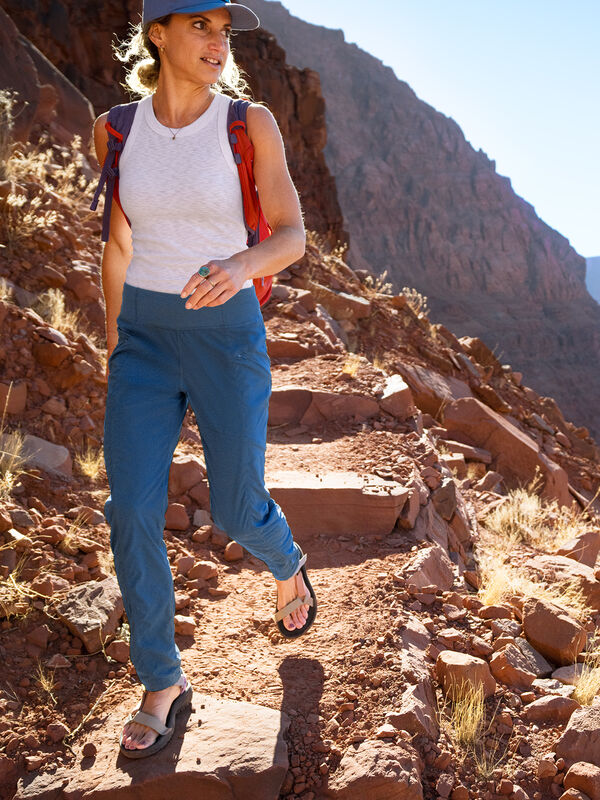
The Trail Hike: Imagine you are navigating a steep, rocky descent in the backcountry. Your standard-length hiking pants are two inches too long. Every time you plant your boot, you risk stepping on your own hem. One misstep, and you are taking a header into the dirt. A true petite hiking pant, with a tapered or properly hemmed leg and durable, stretchy fabric, allows you to see your foot placement clearly and move with agility.
The Winter Run: It is freezing out, and you are logging miles. You are wearing "regular" fleece-lined leggings because you couldn't find petite ones. They bunch up heavily around your ankles, creating an annoying, heavy flap that rubs against your Achilles tendon with every stride. By mile four, you have a blister. A petite performance fleece legging would sit flush against your skin, providing streamlined warmth without the bulk.
The Gym Session: You are setting up for a heavy deadlift. You are wearing pants with a rise designed for someone taller. As you hinge at the hips, the fabric bunches awkwardly at your stomach, and the crotch hangs too low, limiting your range of motion. You have to stop, adjust your pants, and break your concentration. With a properly proportioned petite pant, the gear moves seamlessly with your body, allowing you to focus purely on your power and form.
Stop Settling, Start Moving
We are done compromising. We are done rolling waistbands, pegging cuffs, and spending our hard-earned money at the tailor just to make our athletic wear functional. Our bodies are capable of incredible things. We run, we lift, we hike, we build, we lead, and we play hard. We deserve gear that respects our proportions and amplifies our strength.
Finding the right women's petite pants is a game-changer. It is the difference between feeling distracted by your clothes and feeling completely unstoppable. When you pull on a pair of petite athletic pants that truly fit—where the waist hugs right, the knees bend where your knees actually are, and the hem stops exactly where it should—you step into your power.
So check your inseam, ditch the gear that holds you back, and demand apparel that meets your standards. We are not waiting around for the industry to catch up. We are already out there, hitting the trails, dominating the courts, and doing it all in gear that never, ever quits. Gear up, get out there, and let your momentum carry you forward.